DID Press: A January 2026 survey reveals that Turkey’s foreign policy is undergoing one of the most significant identity shifts in the past two decades. President Erdogan’s alliance with far-right movements, particularly the Nationalist Movement Party (MHP), has amplified the “Turkic World” discourse, leading to a noticeable shift in the diplomatic priorities of Turkish citizens.
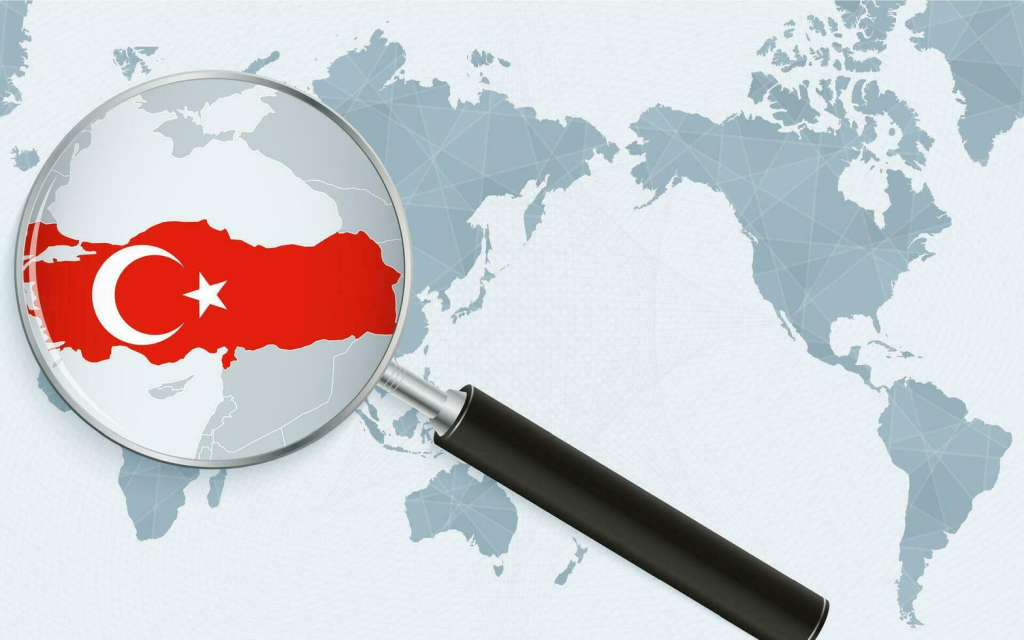
According to data from the PanoramaTR institute, 26% of Turks now believe the primary focus of foreign policy should be on Turkic-speaking countries, signaling the growing influence of ethnicity-based nationalism. In contrast, support for the European Union has dropped by 8%, now standing at 21%, while the Islamic world ranks third with 20%.
Party-based divides are also notable: MHP and İYİ Party voters show the strongest preference for the “Turkic World,” while the ruling AKP base still prioritizes the Islamic world. Voters of CHP overwhelmingly seek closer ties with the EU, and supporters of the DEM Party exhibit the strongest inclination toward the U.S.
On security issues, concerns about Turkey’s potential entry into a war have risen, with external threats primarily directed at Israel and the U.S. Meanwhile, trust in NATO remains relatively high, and the government’s propaganda regarding the strength of Turkey’s defense industries has bolstered public perception of its military capabilities.
These findings paint a clear picture of Turkey in 2026: a country distancing itself from classical Islamism, moving toward Turkic-centered nationalism, and redefining its foreign policy priorities.