Iran’s 1979 Revolution Sparks Regional Hope and Social Change, Especially in Afghanistan
DID Press: Islamic Revolution of Iran in 1979 transmitted a message of hope and transformative change to neighboring countries, demonstrating that collective will can pave the way for development and progress. This message has particularly inspired nations seeking greater social participation, improved education, and stronger cultural institutions.
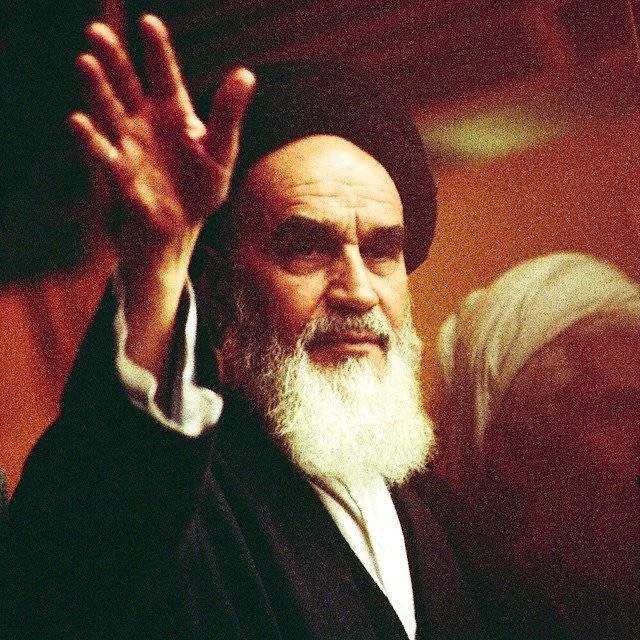
The revolution marked a turning point in regional history, with effects extending beyond Iran’s borders. Neighboring states such as Afghanistan, Pakistan, Iraq, the Gulf countries, and parts of Central Asia experienced profound social, political, and cultural influences. The revolution’s emphasis on social engagement, collective identity, and cultural advancement resonated widely across the region.
In the social and cultural sphere, the revolution strengthened collective identity and civic participation. In Afghanistan, especially in Shia-majority areas, cultural and educational initiatives expanded under the influence of Iranian experiences, creating new opportunities for youth and women. Similarly, in Iraq and the Gulf states, new educational and cultural models—including the development of religious and academic institutions—highlighted the revolution’s positive impact on human capacity building and promotion of social values.
Economically, Iran’s revolution inspired neighboring countries to pursue independent strategies and regional development projects. Observing Iran’s domestic investment and resource management, nations like Afghanistan and Pakistan sought to expand their own capacities and strengthen regional economic and trade cooperation. Cross-border projects, regional trade, and joint educational programs exemplify the revolution’s positive influence on regional growth and development.
The youth of neighboring countries have benefited most from the revolution’s message of hope. Inspired by Iran’s experience, young people have become more actively engaged in society, education, innovation, and civic initiatives, contributing to sustainable development and improved quality of life.
The revolution also fostered regional collaboration. Scientific, cultural, and educational exchanges with Afghanistan, Iraq, Central Asia, and Pakistan have not only facilitated knowledge and skill transfer but also strengthened regional solidarity and ties of friendship.
Overall, the Islamic Revolution of Iran not only transformed the country internally but also left broad positive impacts on neighboring nations, including Afghanistan, Pakistan, Iraq, Gulf countries, and Central Asia. These effects include cultural growth, enhanced education, increased social participation, and the creation of hope and motivation for younger generations. The revolution demonstrates that historical transformations, even in complex environments, can open new opportunities for development and regional cohesion.
By Sulaiman Saber – DID Press Agency