DID Press: According to renowned journalist Pepe Escobar, Iran has emerged as a central geopolitical node in the evolving multipolar world order, playing a pivotal role not only in regional dynamics but also in the strategic calculations of major powers. Tehran is a key pillar of China’s Belt and Road Initiative (BRI), an influential member of BRICS, and an active participant in the Shanghai Cooperation Organization.
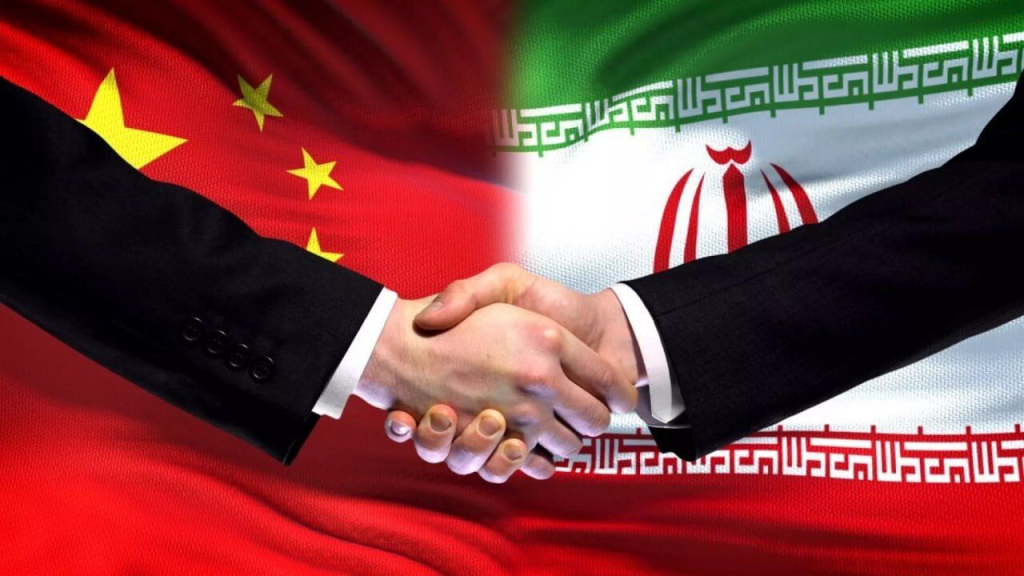
In this context, Beijing–Tehran relations have evolved beyond economic cooperation into a multi-layered strategic partnership encompassing sensitive security, military, and intelligence domains. The partnership is gradually deepening and becoming institutionalized.
Reports indicate that advanced Chinese naval assets, including Type 055 and Type 052D destroyers, have escorted the research vessel Ocean No. 1 in the Gulf of Oman. Officially designed for deep-sea research, the vessel is equipped with advanced sensors and imaging systems. Escobar suggests that these platforms, besides scientific missions, have the potential to monitor electronic emissions, radar signals, and communications, providing a strategic awareness capability beyond purely research functions.
Meanwhile, Iran is reportedly expanding its C4ISR (Command, Control, Communications, Computers, Intelligence, Surveillance, and Reconnaissance) capabilities, integrating more Chinese technologies into its defense systems. This includes increasing reliance on China’s BeiDou satellite navigation network and deploying advanced radar systems. Such integration can enhance early-warning capabilities, improve missile targeting accuracy, and provide real-time battlefield awareness.
For Beijing, the rationale is clear: Iran is a major energy supplier for China and a critical hub in the Belt and Road network in West Asia. Consequently, Iran’s stability and security are seen as directly aligned with China’s strategic and national security interests.
Overall, the deepening strategic coordination among China, Iran, and Russia in economic, technological, and security domains is actively reshaping the balance of power and strategic architecture in West Asia, with potentially long-term implications for regional and global order.