Medicine Shortages Grip Afghanistan After Import Ban on Pakistan
DID Press: Afghanistan’s pharmaceutical market has been thrown into turmoil following the Taliban authorities’ decision to halt medicine imports from Pakistan, triggering price hikes, shortages of essential drugs, and growing anxiety among patients.
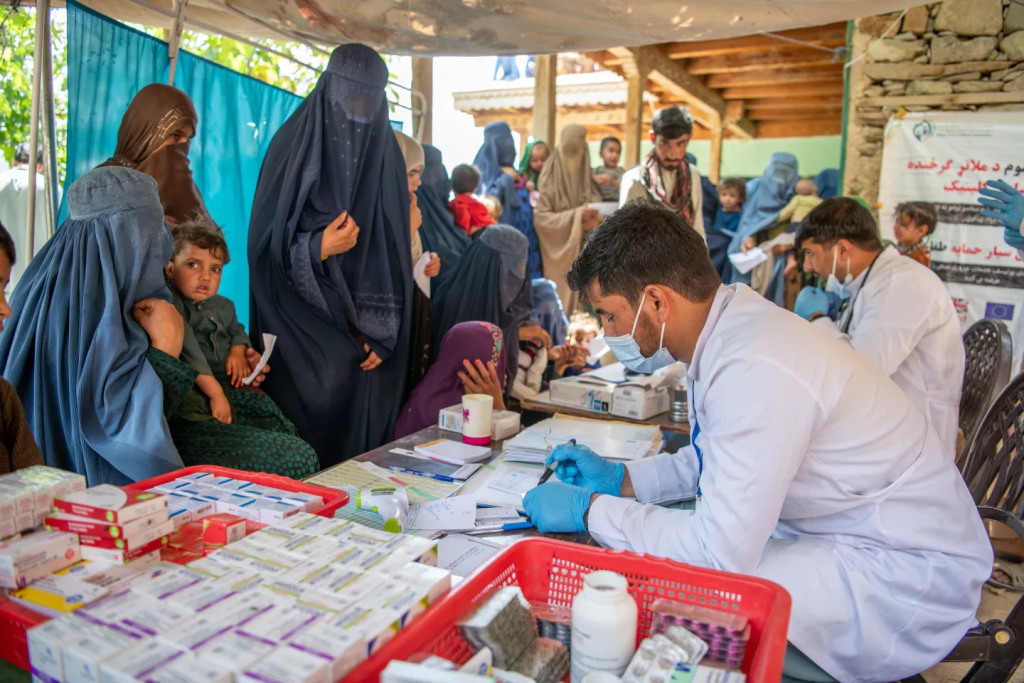
The ban, imposed amid heightened political tensions between Kabul and Islamabad, has disrupted supply chains, forcing importers to source medicines through alternative routes and countries. Industry representatives say these routes are significantly longer and more expensive, driving up transportation costs and final retail prices.
Pharmaceutical sector officials say transport costs previously accounted for around 6–7 percent of the final price of medicines, but have now surged to 25–30 percent. As a result, prices of several commonly used drugs have risen sharply, while some essential items have become scarce.
Pharmacists in Kabul report that patients—especially those with chronic illnesses—are bearing the brunt of the disruption. Switching brands and substituting alternative products have complicated treatment regimens, in some cases requiring prescriptions to be adjusted.
Taliban officials argue the ban is intended to curb the entry of substandard and counterfeit medicines, saying pharmaceutical cooperation has been expanded with countries including Iran, India, Türkiye, and China to offset shortages.
Health experts caution, however, that domestic production and alternative import channels cannot fully meet market demand in the short term. Reliance on imported raw materials, high energy costs, and infrastructure constraints continue to hamper Afghanistan’s pharmaceutical industry.
Doctors warn that if the restrictions persist, additional strain will be placed on the healthcare system, further limiting access to essential medicines for low-income communities and posing serious risks to public health.