DID Press: A new round of nuclear negotiations between Iran and the US has unfolded amid one of the most complex and fragile periods in Iran’s recent history. Far from a conventional diplomatic setting, the talks occurred under the shadow of explicit military threats, sustained maximum pressure, and the deployment of U.S. aircraft carriers to the region—factors that transform these discussions from “engagement” to “coercive bargaining.”
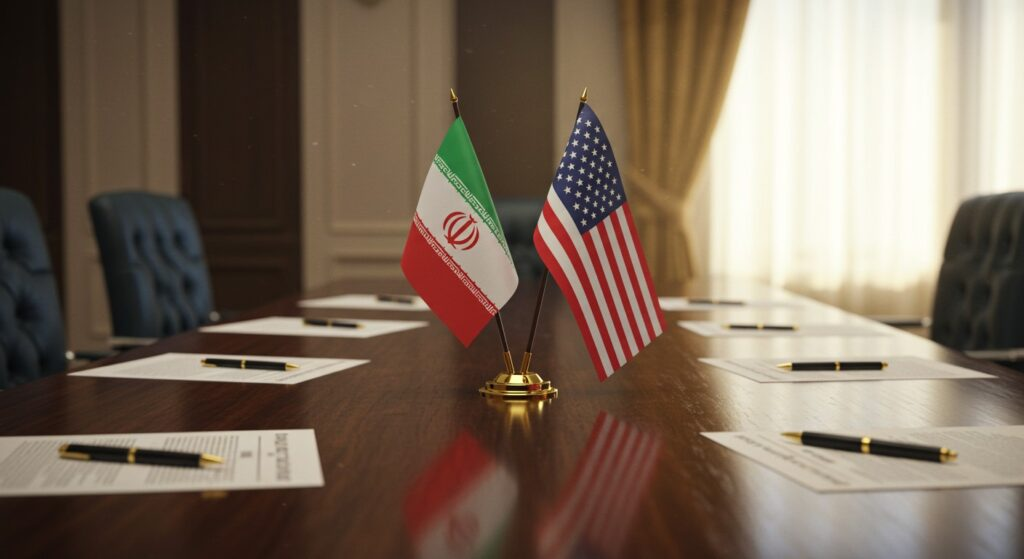
Analysts suggest that the outcome of the negotiations is largely predictable, driven by two key factors: the consistent behavioral patterns of the US and Iran’s historical experience in dealing with Western powers.
U.S. Approach: Negotiations Under Threat
Decades of experience show that U.S. policy toward Iran, even during periods of negotiation, has relied on pressure, threats, and cost imposition. While tactics vary between administrations, the strategic pattern remains constant: the goal is to compel behavioral change in Iran rather than achieve a balanced, fair agreement.
Currently, U.S. policy emphasizes “maximum pressure” and “hard bargaining,” combining military threats, escalating sanctions, and unpredictable behavior as negotiating tools. In this context, negotiation functions less as a path to mutual understanding and more as a test of Iran’s willingness to concede, as highlighted by Supreme Leader Ayatollah Ali Khamenei during the Geneva talks.
Contradictory Signals from Washington
Conflicting statements from U.S. officials—including President Donald Trump’s simultaneous “willingness to negotiate” and threats of military action—have created a preemptively ambiguous and unreliable environment. These mixed messages serve two purposes: signaling Iran that harder measures remain on the table and assuring regional allies, including Israel and select Arab states, that pressure on Tehran will persist.
This duality effectively undermines the possibility of a sustainable, predictable process, turning negotiations into crisis management guided by U.S. interests rather than conflict resolution.
Iran’s Historical Perspective: Structural Distrust
For over forty years, Iran has repeatedly experienced that agreements with the US do not guarantee reduced pressure. From Washington’s unilateral withdrawal from the nuclear deal to new sanctions and even attacks on nuclear facilities mid-negotiation, Iran’s strategic memory has been shaped by a pattern of breaches. This historical experience has fostered caution and skepticism in Iran, where any negotiation requires strict protection of national security lines and confidence in adherence to commitments—conditions often unmet by U.S. practice.
Conclusion
The deep divide between Iran and the US, coupled with Washington’s persistent pressure strategy and Iran’s ingrained distrust of U.S. commitments, has constrained the negotiation space from the outset. Military threats and new sanctions further divert dialogue from its natural course into a stage for testing resolve and endurance. Until the US shifts away from maximum pressure and adopts a reliable, balanced framework, a durable agreement remains unlikely, making the outcome largely predictable to observers.
International Desk — DID Press Agency