Taliban Enact Law Restricting Religious Preaching to Hanafi Clerics
DID Press: Taliban leader Hibatullah Akhundzada has signed a new regulation titled the “Preachers Law,” establishing a restrictive framework for religious outreach in Afghanistan and mandating that all preaching conform exclusively to Hanafi jurisprudence.
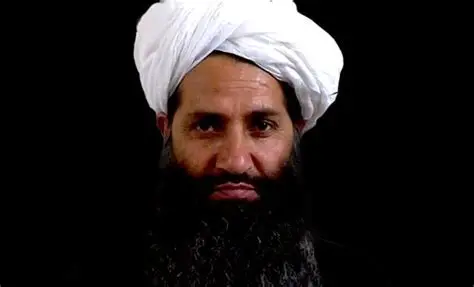
The law, structured in two chapters and 17 articles, places oversight of preachers under the Ministry for the Promotion of Virtue and the Prevention of Vice. Article 6 requires that preachers be Muslim and followers of the Hanafi school. Article 10 stipulates that religious outreach programs may be conducted only on the basis of Hanafi jurisprudence and prohibits preaching in the presence of non-Hanafi adherents.
The regulation further instructs preachers to emphasize loyalty to Akhundzada in sermons and public programs. Article 9 bans the use of visual media for preaching, permitting only radio, books, magazines, and similar tools.
While Taliban decrees are issued on the basis of Hanafi jurisprudence, Afghanistan is religiously diverse, with communities such as Twelver Shia and Ismailis. In recent years, reports have documented pressure and restrictions on non-Hanafi groups, including local instances in Badakhshan where incentives were reportedly offered to Ismailis to convert to Hanafi practice.
Analysts warn that the new law institutionalizes religious discrimination by excluding non-Hanafi Muslims from public religious activity and undermining pluralism. Scholars note that classical Hanafi jurisprudence recognizes all Muslims of the qibla as within Islam and does not exclude other Islamic schools; the law therefore reflects a politicized, exclusionary interpretation rather than established Hanafi legal tradition.