Pakistan’s Poverty Deepens as Living Costs Outpace Incomes
DID Press: Pakistan is facing one of its harshest economic periods in decades in 2024–2025, as runaway inflation, prolonged stagnation, and successive shocks continue to shrink household purchasing power across the country. Recent reports in Pakistani media indicate that economic pressure is no longer confined to statistics but is acutely felt in daily life—from local markets and rural communities to major cities.
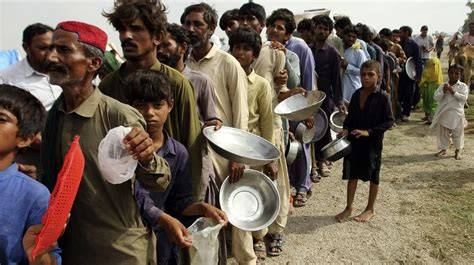
Collapse in Purchasing Power:
Nominal household incomes have nearly doubled over the past five years, but this apparent growth has been erased by inflation. Prices of basic goods, energy, and services have risen far faster than wages, leaving families unable to afford items that were considered routine purchases just a few years ago.
Poverty Becomes Widespread:
National assessments suggest poverty is no longer a localized problem but a nationwide phenomenon. Rural areas—already constrained by limited economic opportunities—have been hit hardest, while urban centers are also feeling the squeeze as the middle class contracts at an alarming pace.
Provinces Under Pressure:
Warning signs are evident across all major provinces, including Punjab, Sindh, Khyber Pakhtunkhwa, and Balochistan. The difference lies in the severity of hardship, not in its presence; even regions that previously enjoyed relatively better conditions are now experiencing a fresh wave of impoverishment.
Drivers of the Crisis:
A confluence of domestic and external factors has pushed the economy into a fragile state: historic inflation that has priced essentials out of reach, steep energy costs—especially electricity and gas—currency depreciation, heavier indirect taxes, and repeated natural disasters and external shocks. Together, these pressures have slowed growth and severely weakened household resilience.
Who Is Most Affected:
Salaried workers, informal-sector laborers, and farmers are bearing the brunt of the downturn. Fixed or unstable incomes, limited social protection, and relentless cost increases have left these groups highly exposed. Many report that even the recent relative stabilization has failed to offset the cumulative damage inflicted during and after the COVID-19 period.