DID Press: Professor Jiang Xueqin, a Chinese academic, has warned that any U.S. attack on Iran would not result in a “quick victory,” but would instead dismantle Washington’s doctrine of “shock and awe” and permanently weaken U.S. military hegemony.
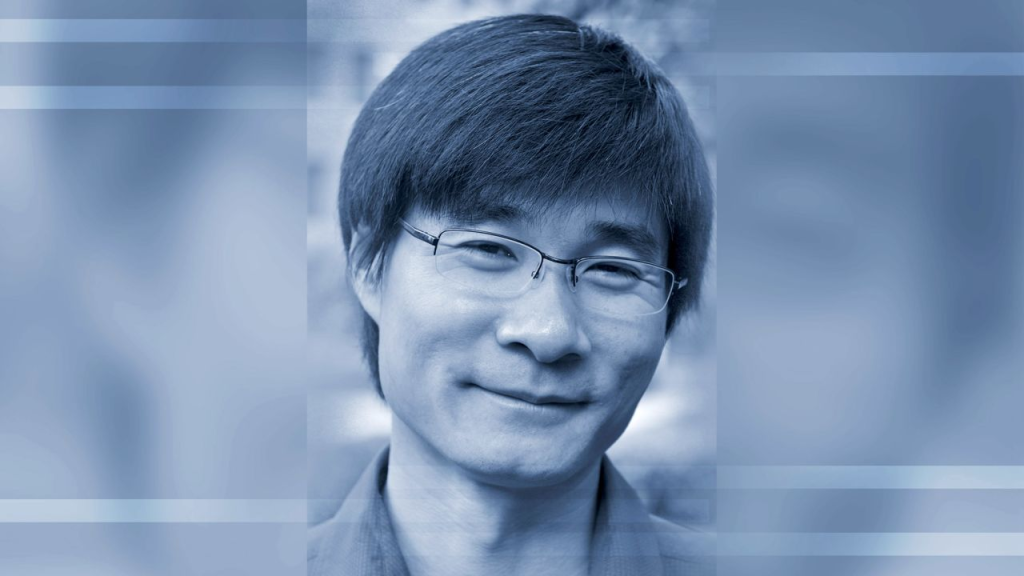
He argued that Iran is prepared for all-out war, citing its extensive network of ballistic missiles, advanced drones, irregular force structures, and an ideology centered on martyrdom and resistance. He described such a conflict as a “fight to the death,” fundamentally different from the 2003 Iraq War.
According to Jiang, the United States lacks the capacity to prevail in such a war. He pointed to structural weaknesses in U.S. industrial production, much of which has been relocated to China, arguing that modern warfare requires sustained industrial output that Washington would struggle to maintain over time.
He added that a prolonged conflict would expose vulnerabilities in U.S. political will, troop morale, and global support for military action against Iran. In his assessment, Iran’s geography and layered defensive posture make a rapid victory impossible; airstrikes alone would be insufficient, and any ground occupation would risk mass hostage-taking of U.S. forces, international isolation, and the absence of a broad global coalition.
Jiang rejected the prospect of a third world war, describing Russia and China as calculating actors. He said both countries would seek to safeguard their energy interests and regional balance by preventing Iran’s collapse, but would do so by prolonging U.S. entanglement and attrition rather than entering a nuclear or full-scale confrontation.
He further framed the potential conflict within historical patterns, claiming that U.S. wars against states lacking independent central banks form part of a broader project to preserve transnational capitalism and global economic dominance.
In conclusion, Jiang warned that a strike on Iran could devolve into a costly, inconclusive war of attrition—fueling domestic opposition in the United States, eroding military morale, and deepening Washington’s global isolation. He described such an outcome as the end of the U.S.-led unipolar moment and the beginning of a new balance of power favoring the East.