DID Press: CNN warns that the ongoing conflict with Iran could seriously threaten food security in Gulf Arab states. Six members of the Gulf Cooperation Council — Oman, Saudi Arabia, UAE, Qatar, Bahrain, and Kuwait — import roughly 90% of their food and cereals, making them highly vulnerable to disruptions in maritime transport.
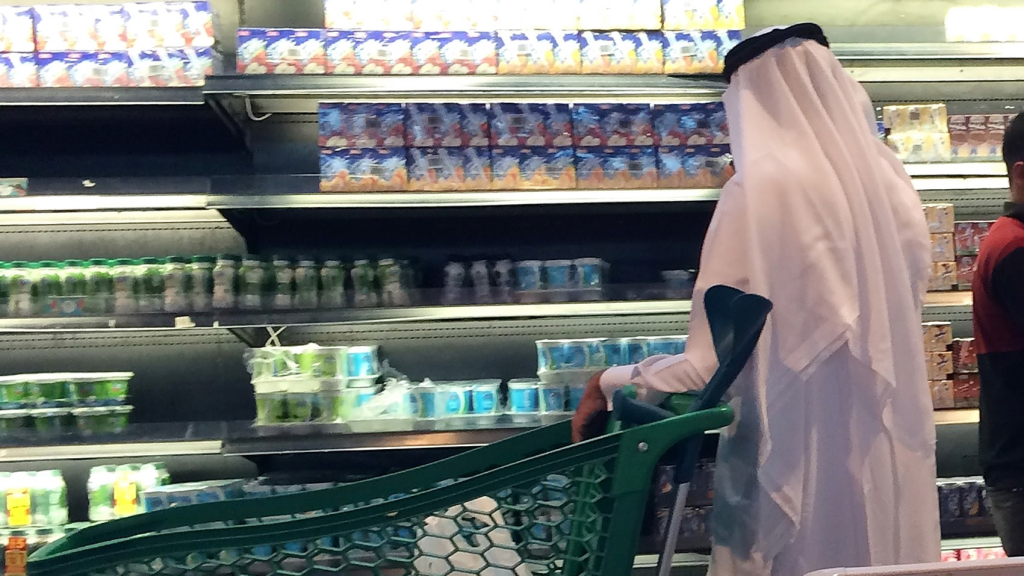
Extreme heat, low rainfall, and scarce water resources limit domestic food production, placing the Strait of Hormuz at the center of the region’s supply chain. Normally, about 138 ships pass daily, carrying much of the Gulf’s imported food.
Following U.S. and Israeli strikes on Iran and Tehran’s retaliatory attacks, shipping through the Strait has sharply declined. Lloyd’s List reports approximately 200 ships stranded at anchor, while major shipping companies have halted cargo bookings to the Middle East. Airspace closures in some Gulf states may exacerbate these disruptions.
For countries like Iraq, Kuwait, Qatar, and Bahrain, no reliable alternative route exists, leaving them heavily dependent on Hormuz. Governments have assured citizens that emergency grain and food reserves cover several months, but analysts warn that the conflict has turned food security into a major regional pressure point.