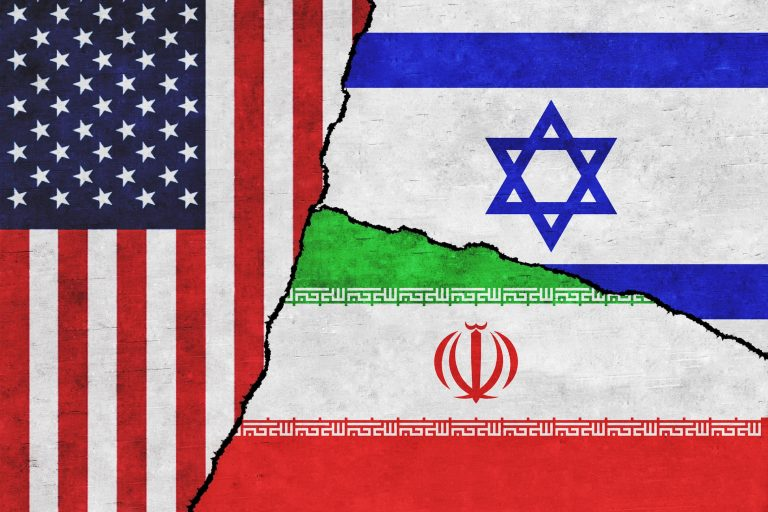
DID Press: European governments have been caught off guard by the U.S. and Israeli strikes against Iran over the past weekend, highlighting the continent’s limited influence in Middle East crises. Washington launched the operations unilaterally, expecting access to European bases and political backing, but received a fragmented and uneven response instead.
United Kingdom has sought a balance between criticizing Iran and calling for de-escalation. Prime Minister Keir Starmer emphasized that London did not participate in the attacks and initially restricted U.S. use of the Diego Garcia base. Yet the U.K. continues to provide defensive support to regional allies and allows U.S. access for the protection of Israel.
France, under President Emmanuel Macron, adopted a more critical approach, warning that military action outside legal frameworks could undermine global stability and calling for an emergency UN Security Council session. Paris, however, avoided direct confrontation with Washington while also condemning Iranian strikes, deploying the aircraft carrier Charles de Gaulle and other assets to maintain credibility and strategic alignment with the U.S.
Germany showed strong alignment with U.S.-Israeli goals. Chancellor Friedrich Merz described Iran as a major threat, citing the failure of sanctions and diplomacy to change Tehran’s behavior, while stressing the West must cooperate to prevent Iran from acquiring nuclear weapons and managing proxy groups.
Southern European states have reacted more critically. Spain’s Prime Minister Pedro Sánchez blocked U.S. use of Spanish bases, while Italy raised legal concerns over violations of international law. Conversely, Poland and some Eastern European nations openly supported U.S.-Israeli operations, underscoring deep divisions within Europe on military intervention and the use of force.
The crisis occurs as Europe prioritizes the war in Ukraine. U.S.-Israel-Iran clashes may reduce Tehran’s support for Russia but could also boost Moscow’s energy revenues while diverting Washington’s attention and resources from Europe—an outcome causing concern among EU capitals.
Short-term, most European governments are expected to maintain a cautious distance, focusing on domestic priorities rather than deepening tensions with the U.S. over a conflict they did not initiate.