DID Press: Rising regional tensions during the so-called “Ramadan War” have brought Iran’s nuclear program and missile capabilities back into the spotlight of global policy debates. A report by the Council on Foreign Relations (CFR) highlights how Iran’s technical capacity and shifting geopolitical conditions are shaping international assessments of the country’s strategic posture.
According to the report, Iran does not currently possess nuclear weapons, but it maintains the knowledge and infrastructure required to produce one within a relatively short timeframe—an assessment widely cited by Western institutions and used to justify international pressure.
Tehran has consistently stated that its nuclear program is designed for peaceful purposes. However, tensions escalated after the United States withdrew from the Joint Comprehensive Plan of Action (JCPOA) in 2018, a move that increased distrust and returned Iran’s nuclear activities to the center of international attention.
In 2025 and 2026, military strikes attributed to Israel and the United States targeted several Iranian nuclear-related sites, including the enrichment facility at Natanz Nuclear Facility. The CFR report notes, however, that no confirmed evidence suggests major destruction across the entire nuclear infrastructure, adding that Iran has demonstrated the ability to rapidly rebuild elements of its missile infrastructure.
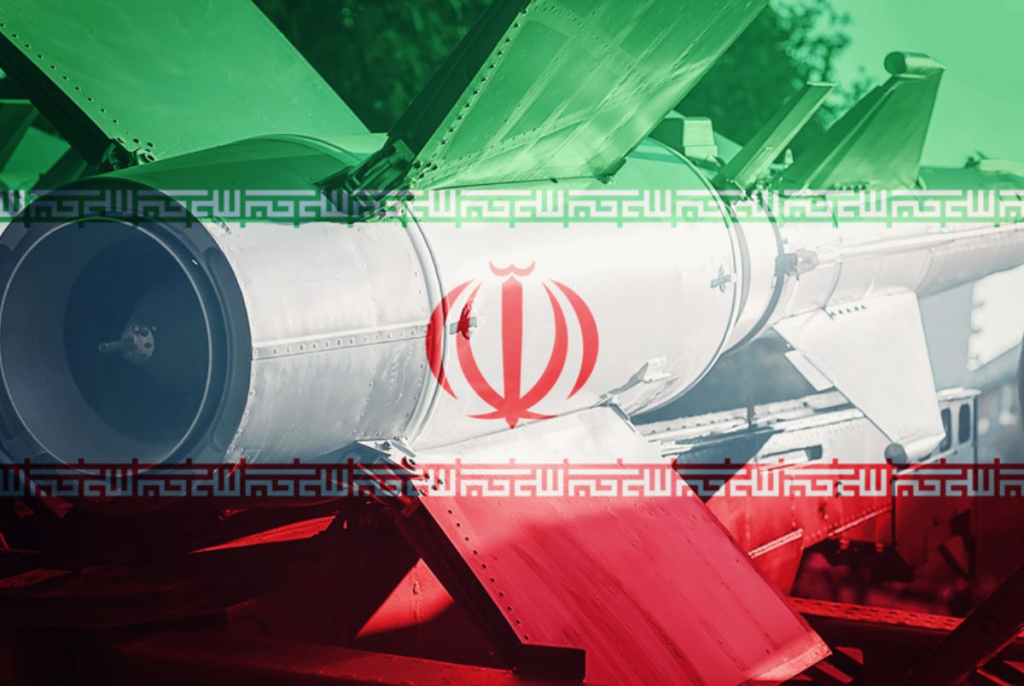
Missile capabilities remain a central element of Iran’s deterrence strategy. The report states that Iran maintains the largest ballistic missile inventory in the Middle East, with some systems capable of reaching around 2,000 kilometers or possibly more. Analysts frequently cite these capabilities as a core component of Tehran’s defense posture against external threats.
Diplomatic efforts have also continued alongside military developments. Talks hosted in Oman in 2026 aimed to reduce tensions and limit uranium enrichment. Iran reportedly reaffirmed its position of not pursuing nuclear weapons, while expecting sanctions relief in return. Disagreements over the scope of commitments and the scale of sanctions removal prevented significant progress.
The CFR report also references nuclear-related activities at more than a dozen locations, identifying Natanz as the main enrichment hub. A 2025 report by the International Atomic Energy Agency (IAEA) mentioned three undeclared sites, an issue that Tehran attributed to technical misunderstandings and inspection disputes.
Looking ahead, the report suggests that if Iran were ever to develop nuclear weapons, it could reshape the regional security balance. Nevertheless, many analysts believe Tehran may avoid crossing the nuclear threshold due to strategic calculations, political costs, and potential international consequences—a view consistent with Iran’s official stance that its nuclear program remains strictly peaceful.
Overall, the CFR assessment portrays a complex and evolving dossier, where Iran’s technological capabilities, international pressure, military tensions, and diplomatic negotiations are closely intertwined. The future of the issue, the report concludes, is likely to depend less on battlefield developments and more on strategic diplomacy and political calculations.