DID Press: A new phase of confrontation between Iran, US and Israel is unfolding, with critical energy infrastructure across West Asia emerging as a central battleground.
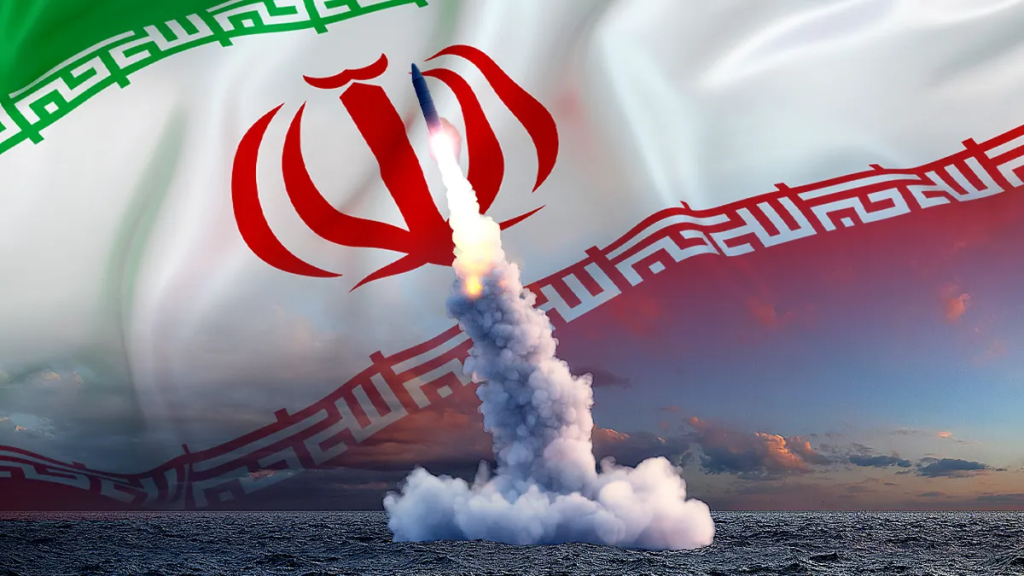
The escalation intensified after a reported strike on Iran’s gas facilities in South Pars Gas Field, which international media attributed to Israel. Tehran described the attack as a direct threat to its energy security.
In response, Iran and allied groups—often referred to as the “Axis of Resistance”—launched coordinated strikes targeting U.S. interests and energy infrastructure in countries hosting American forces.
One of the most significant reported attacks struck the Ras Laffan Industrial City in Qatar, one of the world’s largest liquefied natural gas production centers. Qatari authorities confirmed a major fire at the site, describing it as a serious incident.
In Saudi Arabia, targets reportedly included sections of oil and gas facilities in Riyadh and fuel depots used by U.S. fighter jets near the العاصمة’s airport. Footage circulating online showed large explosions and fires, raising concerns about potential disruptions to operations at Prince Sultan Air Base.
In Iraq, a C-RAM air defense system deployed at the U.S. embassy in Baghdad was reportedly struck by a drone and disabled, highlighting vulnerabilities in American defenses.
Iran’s Islamic Revolutionary Guard Corps (IRGC) also said it targeted a military site hosting U.S. forces in Sulaymaniyah with precision missiles.
On the northern front, Hezbollah claimed deep strikes—reaching more than 200 kilometers into Israeli territory—targeting industrial and military sites, including facilities such as the Yodfat industrial complex.
Taken together, the developments point to an emerging phase of “energy warfare” and mutual deterrence, in which Iran is leveraging missile capabilities and regional alliances to signal that attacks on its critical infrastructure will trigger broad and potentially escalatory responses.