DID Press: The Economist analyzed the effects of the ongoing Iran conflict on the political and electoral climate in United States. According to the report, prolonged fighting and related economic concerns—such as rising energy prices and slower economic growth—have become key issues for voters. The publication notes that a segment of public opinion is questioning the objectives and necessity of the war.
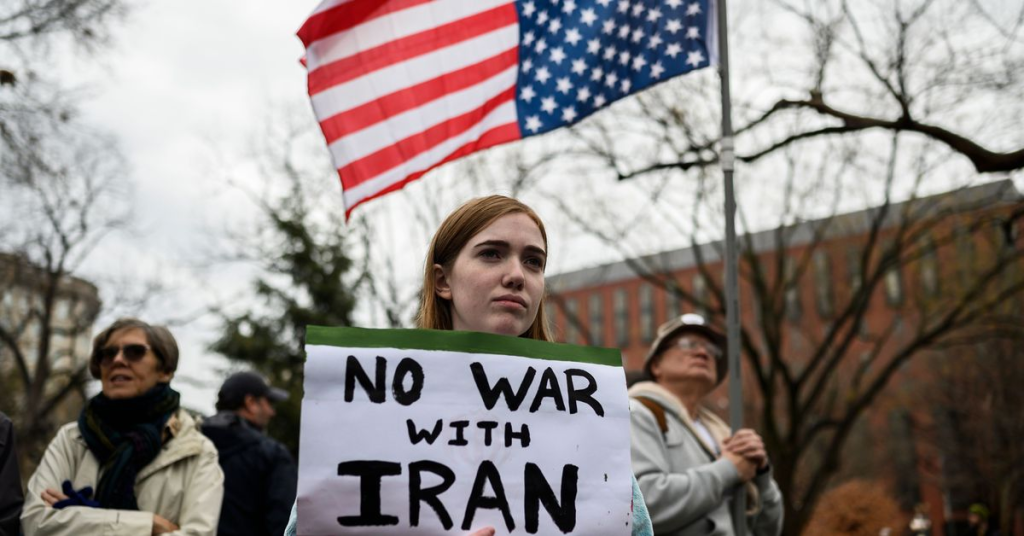
Election prediction markets have adjusted, reflecting a higher likelihood of shifts in the composition of the future U.S. Congress amid the changing political atmosphere. The report emphasizes that public support for the government’s handling of Iran has declined since the conflict began, making it a central topic in political debates.
The Economist also highlights early reactions from members of Congress, noting that some representatives and senators initially responded cautiously but have become increasingly critical as the conflict drags on and economic costs rise. Rising fuel prices and economic concerns have fueled questions about the strategy and management of the war.
The report outlines differences among political groups, with analysts suggesting that the lack of a clear strategy and frequent shifts in declared objectives have intensified criticism. It also cites miscalculations regarding the potential impact of the conflict, including the role of the Strait of Hormuz on global energy markets.
Discussions on U.S. foreign policy and relations with allies are also mentioned. Some polls indicate that voter attitudes toward U.S. support for certain regional actors are evolving.
Finally, The Economist notes increased voter engagement in several states over recent months, suggesting a potential surge in political activity. However, it emphasizes that substantial time remains before the midterm elections, and future developments could significantly influence the political landscape.