DID Press: European bases supporting United States have become legitimate targets for Iran’s defensive operations. Strikes on these bases would not only slow U.S. operations but also drag European countries directly into a conflict they claim to oppose. This stark reality exposes Europe’s duplicity: eager to share in the spoils of war while seeking immunity from its consequences.
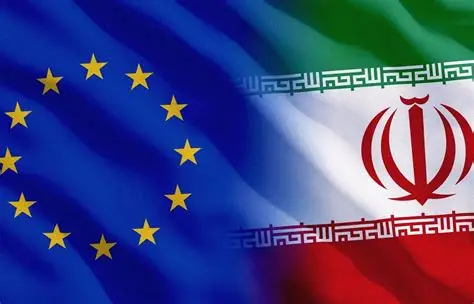
Since late February 2026, the Middle East has become a full-scale war zone. Coordinated U.S. and Israel attacks on Iranian domestic targets prompted Iran to respond decisively with ballistic missiles and drones under the framework of legitimate self-defense. Europe’s role in this crisis highlights a growing gap between rhetoric and reality.
Officially, European governments have issued statements advocating de-escalation and diplomatic solutions. Yet, countries including United Kingdom, Germany, Italy, France, Greece, and Portugal have provided the U.S. with military infrastructure—fueling jets, supplying ammunition, and sharing intelligence. This practical support undercuts verbal condemnation and reveals Europe as an active participant, not a neutral mediator.
This contradiction between deceptive statements and hostile actions underscores Europe’s lack of strategic independence. Even in the face of an initial attack on Iran, European states have been unable to adopt a cohesive, justice-driven position. Their strict adherence to NATO obligations undermines any claims of upholding the JCPOA or regional stability.
Strategically, providing bases accelerates U.S. offensive operations against Iran, making Europe part of the aggression equation. However, this collaboration comes at a domestic political cost: European publics are highly sensitive to involvement in overseas wars, forcing governments to maintain secrecy while projecting peace-oriented rhetoric. Over time, this duplicity threatens Europe’s credibility on the global stage.
European bases used by the U.S. could themselves become targets for Iran. Strikes on these facilities would not only disrupt U.S. operations but also directly implicate Europe in the conflict, exposing the continent’s desire to share in wartime actions while avoiding responsibility.
Economically, Iran holds significant leverage. A blockade of the Strait of Hormuz in response to European support for U.S. operations could jeopardize Europe’s energy security, given its heavy dependence on Persian Gulf oil and gas. Disruptions would trigger unprecedented energy price spikes, economic pressure, and fuel supply crises, potentially prompting European capitals to reconsider their cooperation with the U.S.
In conclusion, Europe has shown it values neither independent decision-making nor sustainable peace, preferring instead to act as a tool of Washington. The gap between professed neutrality and active complicity exposes the continent’s true character. Iran, recognizing this reality, can leverage its defense, military, and energy capabilities to increase the costs of European complicity and signal that duplicity and interference will not go unanswered.
The message is clear: any country providing bases, territory, or infrastructure to aggressors bears responsibility for the consequences. Europe cannot simultaneously act as mediator and wartime partner—the choice is clear: align with peace and respect Iran’s rights, or persist in duplicitous behavior that will bring instability and discredit upon itself.
By Sayed Baqer Waezi | DID News Agency