DID Press: Escalating military operations by Iran and allied regional groups have placed critical infrastructure in Israel under sustained pressure, according to military and regional sources, signaling a significant widening of the conflict’s operational scope.
Iranian military authorities reported that key Israeli defense and technology facilities were targeted in coordinated drone operations, including sites linked to Rafael Advanced Defense Systems and Israel Aerospace Industries, as well as the area surrounding Ben Gurion Airport. The reported targets included maintenance hubs for F-15 and F-16 fighter aircraft and research centers associated with advanced drone development. Officials indicated that damage assessments remain limited amid strict wartime information controls.
Military sources also described significant strain on Israeli air defense systems during the past 72 hours, following multiple waves of missile and drone attacks. Siren alerts have reportedly increased sharply across Israeli regions, while strikes near the Dimona Nuclear Research Center and the Orot Rabin Power Station triggered evacuations of nearby residents. Authorities said Ben Gurion Airport remains closed, with reopening timelines uncertain.
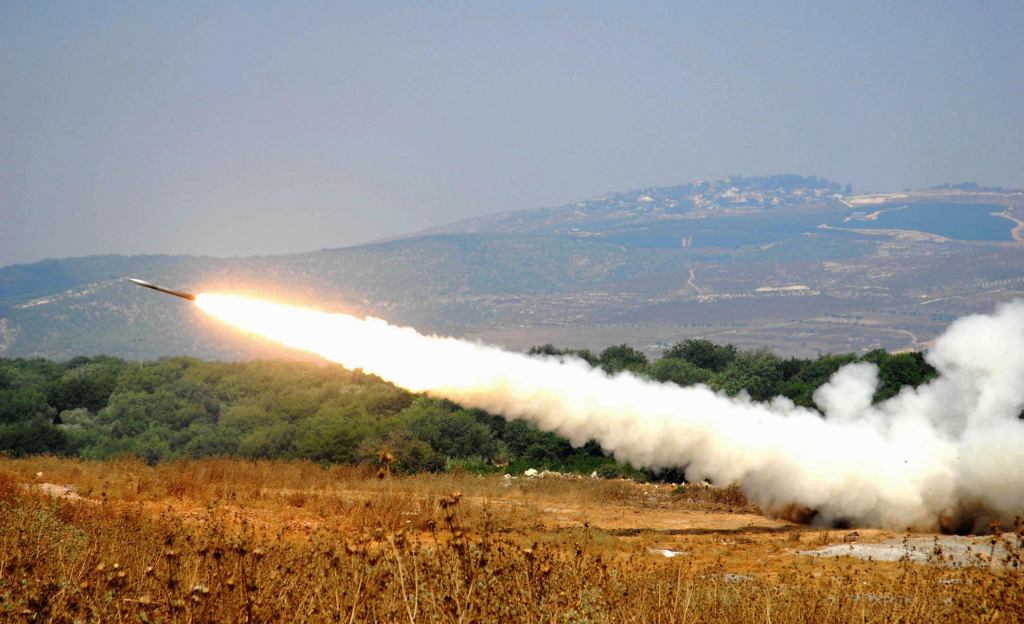
In the southern theater, Iranian state-linked communications reported the downing of a U.S. military aircraft over waters near Chabahar, though independent confirmation has not been provided. Meanwhile, along the border, heavy rocket exchanges were reported, with Hezbollah claiming the destruction of an Israeli Merkava tank near the village of Deir Siryan. Analysts interpret these developments as potential indicators of preparations for broader ground operations.
Regional media also reported explosions near facilities hosting U.S. forces in the United Arab Emirates and claims of an attempted strike on a U.S. Boeing KC-135 Stratotanker, prompting heightened alert levels at major Israeli aviation hubs.
Politically, the situation remains fluid, with internal developments in Israel—including the resignation of a spokesperson for Prime Minister Benjamin Netanyahu—occurring alongside warnings from Iranian parliamentary leadership against any move to seize Iranian islands.
Economically, regional reporting indicated that disruptions linked to attacks near gas infrastructure in Ras Laffan Industrial City could affect global helium supplies, a critical component for semiconductor manufacturing and advanced technology industries.
Overall, the evolving situation suggests the conflict has moved beyond limited engagements, now affecting Israel’s defense posture, U.S. regional presence, and key international supply chains.