DID Press: On the 28th day of the conflict, Trump extended the deadline to halt attacks on Iran’s energy infrastructure until April 6, which Washington frames as a diplomatic opportunity, while Tehran calls it a “psychological game” to buy time.
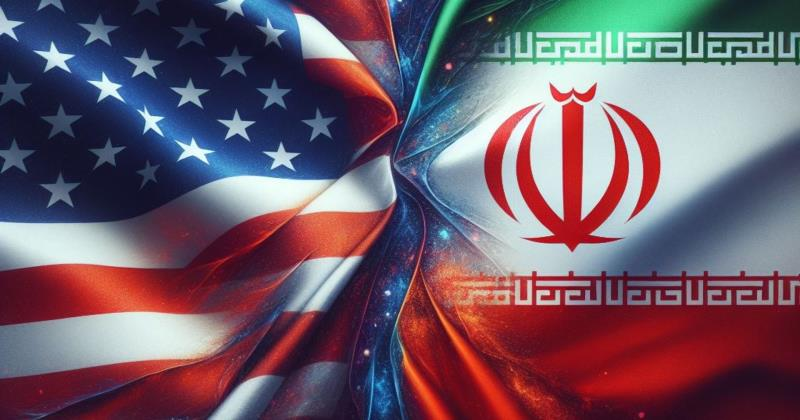
Despite strikes on missile production sites, Iran has maintained operational capability and reportedly targeted Israel with ballistic missiles again in the past 24 hours. Meanwhile, U.S. and Israeli forces have focused on disrupting nonmilitary infrastructure and Iran’s air defense systems.
Pentagon moves indicate a potential escalation toward capturing strategic Iranian islands and controlling the Strait of Hormuz, where maritime traffic has dropped 96%, intensifying global economic pressures.
In Israel, the chief of staff warned of “internal collapse” and manpower shortages, signaling significant military strain. In Lebanon, Hezbollah has disrupted Israeli targeting systems using anonymous commanders, leaving ground operations largely ineffective.
In Yemen, Ansar Allah emerged from alert status as a “strategic reserve,” targeting Israeli-occupied territories with missiles for the first time since U.S. and Israeli operations against Iran began.
Analysts suggest that while Trump’s pause changes the timing, the likelihood of a more intense next phase remains high. Overall, the Gulf conflict has entered a complex and dangerous stage, with early assessments indicating strategic advantages for Iran despite ongoing hostilities.