DID Press: A cascade of rapid developments across Middle East and beyond—from intensified attacks on United States Armed Forces bases to disruptions in the Strait of Hormuz—signals a widening crisis with far-reaching security, political, and economic consequences worldwide.
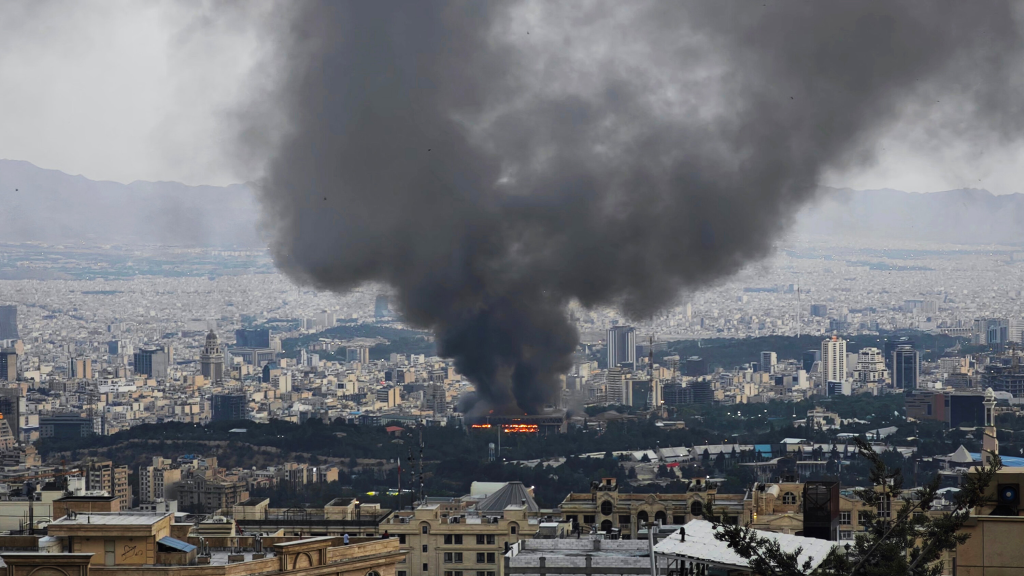
Iraqi sources reported powerful explosions at U.S. installations in Baghdad, Erbil, and Duhok, while American media outlets indicated that casualties from a strike on a base in Saudi Arabia may exceed official figures. Armed groups in Iraq have also claimed dozens of drone and missile operations against U.S. positions across the region.
On the maritime front, escalating hostilities have reportedly left around 1,900 commercial vessels stalled near the Strait of Hormuz, intensifying fears over global supply chains. Officials in Pakistan are planning emergency food exports to Arab states, while the prime minister of Thailand announced an agreement with Iran to ensure the safe passage of Thai oil tankers through the strategic waterway.
Politically, international media report growing anti-war sentiment across the United States, Europe, and the Middle East. Demonstrations have taken place in Tel Aviv and The Hague, while U.S. senators such as Bernie Sanders and Elizabeth Warren have called for an immediate end to hostilities. Some analysts have described the conflict as a potential “strategic quagmire” for Washington.
Economically, the fallout is accelerating. The Financial Times reported simultaneous declines in global stock and bond markets, warning that the so-called “Iran shock” has left investors without a traditional safe haven. In the United Kingdom, concerns have emerged about potential medicine shortages, while Australia has temporarily lowered fuel standards due to declining reserves.
At the same time, reports indicate damage to critical infrastructure in Kuwait, Bahrain, and the United Arab Emirates. The Aluminium Bahrain confirmed damage to its facilities, while Kuwaiti authorities reported disruptions to radar systems at Kuwait International Airport.
Taken together, these developments indicate that the crisis has moved beyond the military domain, spreading into political, economic, and social spheres across the region and the wider world—an evolution analysts view as the entry into a more complex and potentially prolonged phase of instability.