DID Press: As resistance groups in Iraq and Lebanon launched a new wave of drone and missile operations against positions linked to United States and Israel, powerful explosions reported at U.S. bases in Bahrain and Kuwait have sharply escalated tensions across West Asia. At the same time, diplomatic warnings and military mobilizations in several regional states have further complicated the crisis outlook.
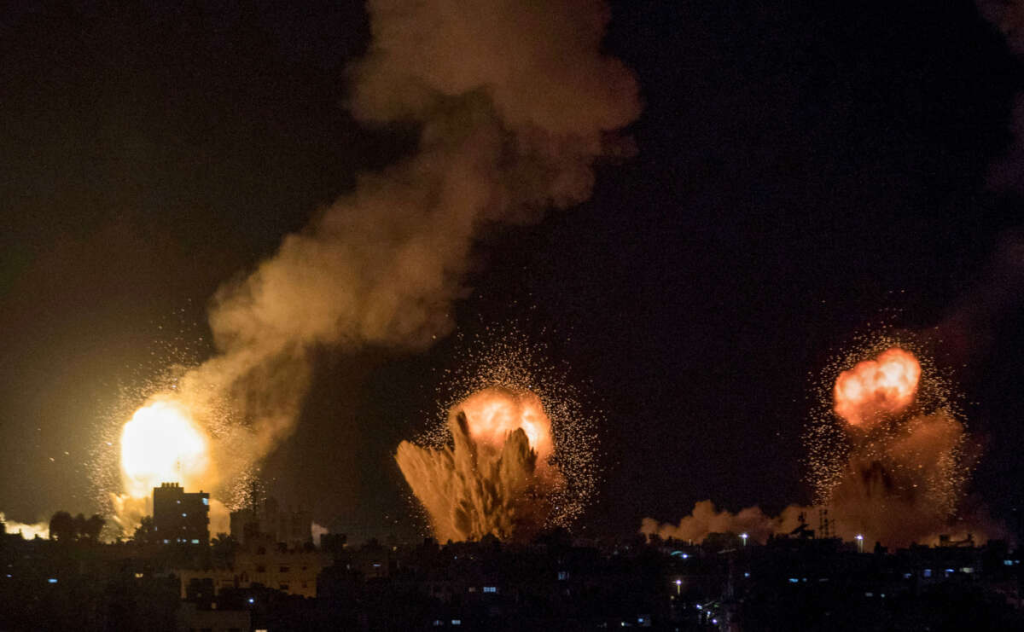
Regional tensions in West Asia have entered a new phase in recent hours, with a series of explosions, attacks, and warning statements reshaping the region’s security environment. The most significant development involved reports of more than eight powerful explosions in Bahrain. These blasts reportedly shook the headquarters of the U.S. Fifth Fleet, Al-Dula base, and the areas of Saar and Sakhir, with columns of smoke observed near American military installations. Bahrain’s Interior Ministry confirmed fires in industrial sections, while some sources attributed the incidents to missile strikes by Iran.
In Kuwait, the country’s civil aviation authority announced that fuel storage tanks at Kuwait International Airport had been targeted, triggering a major fire. Witnesses reported hearing a loud explosion inside or near the airport complex.
Escalation of Armed Operations Across Multiple Fronts
Simultaneously, the Iraqi resistance announced that it had carried out 23 drone and missile operations against U.S. bases in Iraq and the broader region over the past 24 hours. The group also warned against any U.S. military action launched from Kuwaiti territory or any movement against Hezbollah originating from Syrian soil.
On the northern front, Hezbollah in Lebanon reported conducting 45 operations against Israeli positions, stating that it targeted concentrations of Israeli forces in Naqoura, the Mahanayim base east of Safed, and the Yodfat military industries complex east of Haifa.
At the political level, Reuters quoted Ahmed al-Sharaa (also known as al-Jolani) as saying that Syria’s interim government does not intend to enter any conflict related to Iran.
Rising Strategic Threats and Economic Fallout
Meanwhile, some sources claimed that Iran warned it could target the port of Port of Fujairah and the country’s oil transmission lines if support from the United Arab Emirates for U.S. and Israeli operations continues.
The The Wall Street Journal reported that the UAE is attempting to secure support from Washington and several global powers to form a coalition aimed at reopening the Strait of Hormuz through potential military action.
In the United States, Marco Rubio criticized the lack of alignment from some NATO members and suggested Washington could reassess its relationship with the alliance after the war, while also claiming that the end of hostilities may be approaching. He further stated that Iran had rejected proposals from several countries to transfer its stockpile of enriched uranium.
Economic and Social Repercussions Intensify
On the economic front, Slovenia has begun fuel rationing measures, while prices for liquefied petroleum gas have surged sharply in Pakistan. Hebrew-language media also reported increasing reverse migration and rising social dissatisfaction within Israeli territories.
At the same time, Hezbollah published a message from Mojtaba Khamenei to Naim Qassem emphasizing continued support for resistance forces.
According to data from Anadolu Agency, Iran has launched 5,644 missiles and drones toward U.S. bases and interests across seven Arab countries over the past 32 days, with the highest number recorded in the United Arab Emirates.