DID Press: Analysts assert that a fundamental misreading of Iran’s capabilities and objectives, reliance on short-term pressure tactics, and instinct-driven policies under Trump are among the factors behind the failures of the United States and Israel. Through intelligent resistance and effective tactical responses, Iran has demonstrated that even under direct warfare, it can maintain its strategic course and reinforce its position in regional and international dynamics.
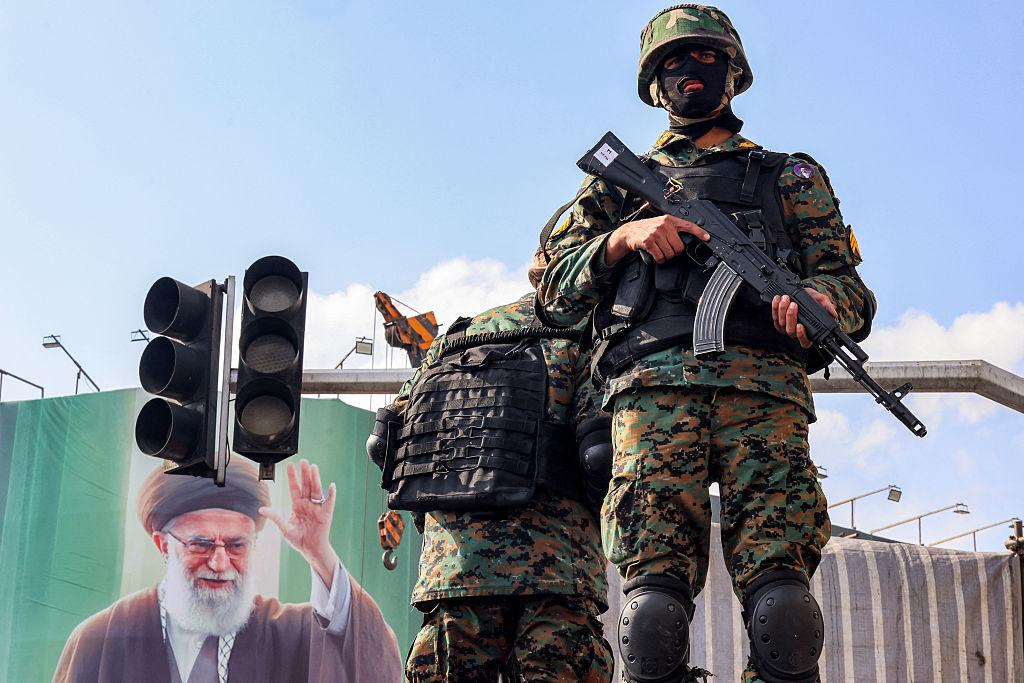
Over a month into the U.S.-Israeli military campaign against the Islamic Republic of Iran, one of the clearest realities is Tehran’s steadfast resistance to extensive military, economic, and political pressure. Field developments and expert analyses show that Iran has not only resisted but also preserved and strengthened its domestic and regional stance—a lesson of strategic value for international policy analysts.
The initial approach of the U.S. and Israel relied on maximum pressure and direct threats. Widespread airstrikes, targeting of military infrastructure, and attempts to destabilize Iran internally reflected Washington and Tel Aviv’s intent to exert immediate and severe pressure.
These measures were expected to compel Tehran to retreat or enter negotiations. However, the past month has revealed that these predictions were entirely mistaken. Through strategic planning, measured military responses, and intelligent domestic management, Iran has not only prevented collapse but also sent a clear signal of resistance and strategic strength.
Militarily, Iran has employed diverse tactics. Missile and drone strikes against U.S. and Israeli bases and strategic targets, responses to offensive operations, and disruptions to critical economic routes demonstrate smart use of counter-pressure tools. These actions have imposed significant costs on the adversaries and sharply limited unilateral pressure, while Tehran has maintained internal cohesion.
From a diplomatic perspective, the ongoing conflict shows that maximum-pressure policies without a precise understanding of the target country’s logic fail to achieve desired results. By maintaining strategic lines and setting clear conditions for any ceasefire or conflict suspension, Iran has sent a firm message: surrendering to external pressure is not an option, and national power and strategic capacity will not be sacrificed for a temporary halt in hostilities.
This approach exemplifies intelligent resistance that goes beyond reactive or purely defensive measures. Iran’s experience illustrates that while U.S. and Israeli strategies were tactically and militarily intense, they have failed to achieve their primary strategic objectives.
Analysts note that misjudging Iran’s capabilities and goals, relying on short-term leverage, and instinct-driven Trump-era policies have contributed to the adversaries’ failures. Through smart resistance and effective tactical responses, Iran has shown it can uphold its strategy even during direct warfare and strengthen its standing in regional and international affairs.
Ultimately, the past month of conflict offers a clear picture of the limitations of maximum-pressure strategies and the risks of superficial decision-making. Iran, by maintaining domestic cohesion, crisis management, and measured responses, has proven it will not yield to U.S. policies and has cemented its role as an independent and powerful actor on the international stage. This experience provides a critical lesson for policymakers and international analysts: deep understanding of the opponent’s logic and strategic planning are essential for success in global affairs.
By Sayed Baqer Waezi – DID News Agency