Why Israel’s Defense Systems Cannot Track Iran’s Cluster Missiles
DID Press: One of the most critical challenges for the Israeli military in the recent conflict with Iran is the inability of its defense systems to intercept Iran’s cluster and multiple-warhead missiles. Once these missiles enter the atmosphere and their warheads disperse, interception becomes virtually impossible. If targeted while still outside the atmosphere, before the warhead opens, interception may succeed, but after dispersal, no system can stop them.
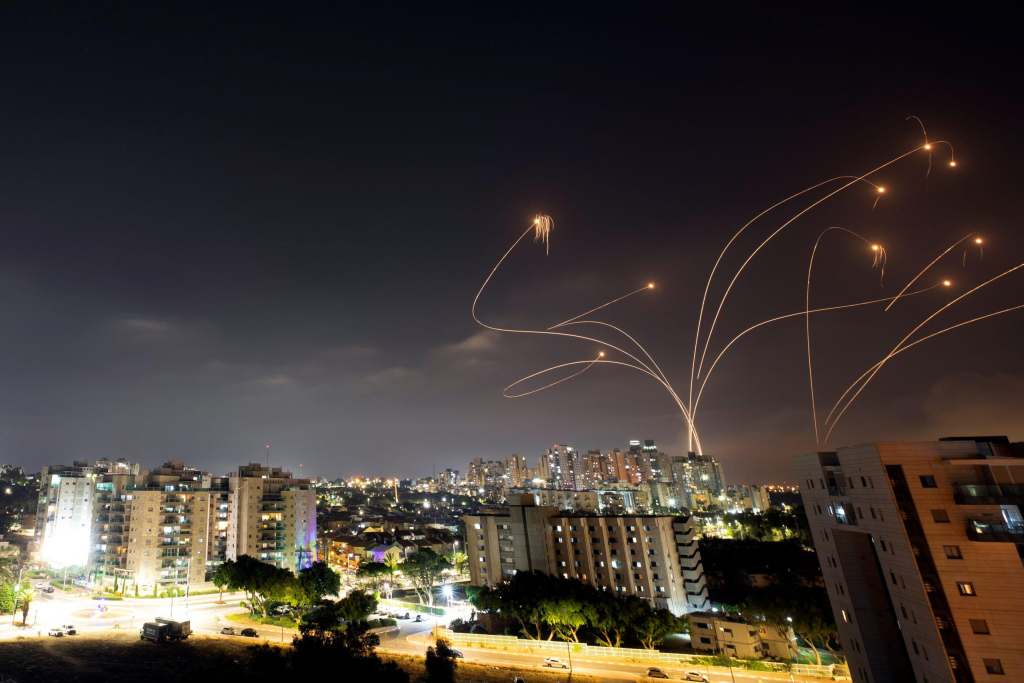
In recent weeks, the simultaneous flight of dozens of glowing warheads over Israeli territory has become a recurring sight. Unlike the 12-day conflict in the past, in the current war, at least half of Iran’s missiles are equipped with cluster warheads. Upon separation, each missile splits into several smaller warheads, each acting as an independent missile capable of striking multiple targets over a wide area. This capability allows them to inflict severe damage across regions and bypass many of Israel’s defense systems.
Zvika Haimovich, former Israeli air defense commander, explained that each detachable warhead behaves like an independent ballistic missile. As a result, the defense system must engage multiple ballistic targets simultaneously instead of a single missile. Additionally, the warheads open at altitudes between 7 and 10 kilometers and disperse uncontrollably, creating unpredictable trajectories that make interception nearly impossible.
Iran’s cluster missiles convert one large warhead into 20–70 smaller warheads weighing 2.5–5 kilograms each, with destructive power comparable to a Grad missile. Yehoshua Kalisky, an INSS researcher, states that Iran’s objective is to generate multiple impact points across a wide area.
A primary challenge for Israeli defenses is that even if the mother missile is intercepted, the warheads may continue on their path and then disperse. Complete interception is only possible if a missile directly strikes the warhead before it separates. Consequently, Israel has recently relied on the highly expensive and time-consuming Hetz–3 system to intercept missiles outside the atmosphere.
Military experts argue that full interception of these missiles may never be possible, as Iran continually adapts its tactics after each wave of attacks. Ultimately, timing and altitude are decisive: once the warhead disperses, no defense system can counter it.