DID Press: Pakistan is attempting to present itself as a mediator between Iran and US, but the on-the-ground and political realities of the war indicate that these efforts are not only ineffective, but also place Islamabad in a fragile and high-risk position. Mediating between an aggressive power and a strong regional actor that has successfully resisted multi-layered military, economic, and political pressures is beyond Pakistan’s capacity.
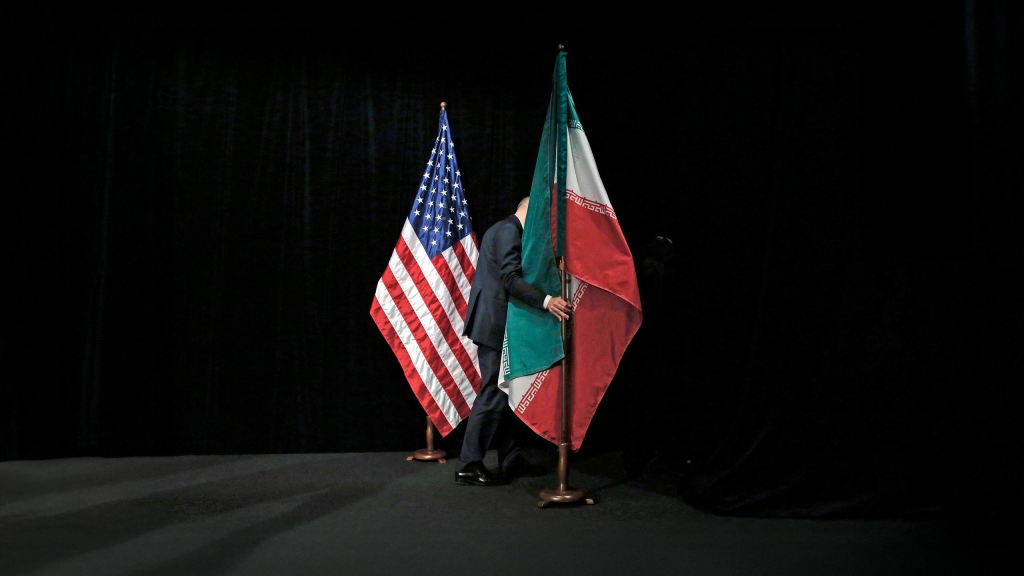
In the current crisis, the imbalance between the parties is clear, yet contrary to Western assumptions, it has not disadvantaged Iran. Despite U.S. and Israeli attacks, Iran has not only maintained its command structure and operational capabilities but also retained the initiative across multiple fronts. In contrast, Pakistan has merely played a “political courier” role, lacking any real ability to bridge positions.
Claims by Donald Trump regarding “progress in negotiations” have been firmly denied by Iran. The gap between “15 U.S. demands” and “5 Iranian conditions” is so wide that it effectively eliminates any possibility of agreement. Tehran views Washington’s demands as “extreme, humiliating, and tantamount to a surrender letter,” and, relying on its deterrent power, refuses to accept any unilateral pressure.
Despite widespread attacks, Iran has maintained both defensive and offensive capabilities, delivering precise and targeted responses. This reality makes it clear to Islamabad that no mediation is possible without genuine acceptance from Tehran. Pakistan, with its political and economic dependence on the U.S. and Saudi Arabia, lacks the independence needed to act as a credible mediator.
Pakistan’s defense pact with Saudi Arabia, a country that has itself been targeted by Iran, effectively removes Islamabad from a neutral position. Moreover, Israel’s role as a primary driver of the war adds layers of complexity that Pakistan cannot manage.
Just days after Pakistan announced its readiness to host talks, U.S. and Israeli bunker-buster bombs struck Isfahan—a move that not only escalates tensions but also demonstrates Washington’s lack of genuine interest in negotiations. Some analyses suggest that the Trump administration may be using “negotiations” merely as a cover to prepare for potential ground operations.
The assassination of senior Iranian leaders and attacks on civilian centers—including a school where over 180 schoolgirls perished—are not only blatant war crimes but have also strengthened Iran’s legitimacy on the global stage. Under these circumstances, the question arises: can Pakistan truly mediate peace, or is it merely playing on a field designed by the United States?
For Islamabad, one reality is critical: as long as Iran remains in a position of power and the U.S. and Israel continue their attacks, no mediation can succeed without Tehran’s acceptance of its conditions.
By Sayed Reza Ahmadyar | DID News Agency