DID Press: Over the past 24 hours, escalating regional tensions have seen multiple missile launches targeting Tel Aviv, Ashdod, Haifa, and central areas of Israel. Concurrently, multiple attacks by Hezbollah, explosions in Bahrain and Iraqi Kurdistan, rising U.S. military expenditures, and the halt of hundreds of ships at the Strait of Hormuz have been reported. Iranian officials and resistance groups have confirmed ongoing operations, while international media have warned of potential economic and political repercussions.
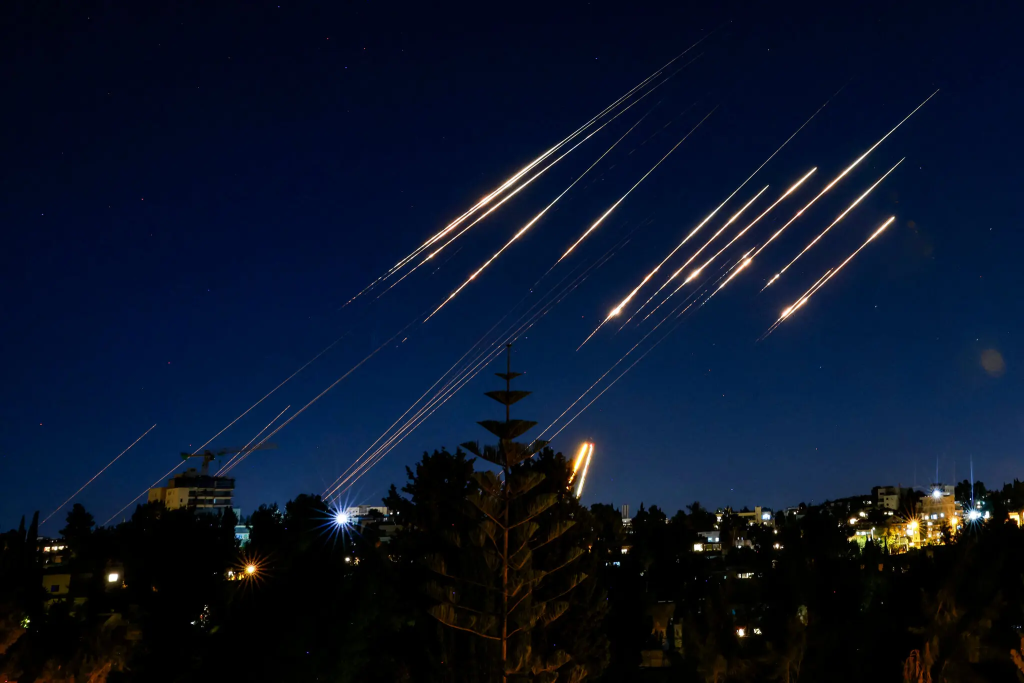
Hebrew sources reported that two long-range missiles were fired by Hezbollah toward Tel Aviv and Ashdod. The group claimed that in the past 24 hours, it carried out 60 offensive operations against Israeli positions, disabling several tanks, and targeted gatherings and military infrastructure in Al-Malkiyeh, Al-Sadr, and Kiryat Ata.
Arabic sources reported explosions in various locations, including Kuwait, Bahrain, and Iraqi Kurdistan. Al Mayadeen stated that the U.S. Fifth Fleet base in Bahrain was attacked, while in Erbil, Harir Airbase and the U.S. consulate were targeted.
Meanwhile, Channel 14 reported that Israel is now under “the largest continuous attack by Iran” since the U.S. and Israel’s incursion against Iran three weeks ago. An Al Jazeera correspondent reported hearing repeated explosions in central Israel and West Bank settlements.
Iran’s Ministry of Defense spokesperson confirmed that operations are ongoing to punish the enemy and compel U.S. forces to exit the region.
Mohsen Rezaei warned: “If we close the Strait of Hormuz, no one in the world will be able to reopen it.”
According to Foreign Affairs, the costs of war with Iran will “outweigh any potential benefits,” with U.S. direct military expenditures in the regional conflict surpassing $38 billion.
Simultaneously, approximately 400 cargo ships remain stalled near or behind the Strait of Hormuz and around Iranian islands awaiting passage clearance. The Australian Prime Minister advised citizens that, with the Strait closed, they should rely on trains or national bus services in the coming weeks to cope with the emerging energy crisis.