DID Press: On April 1, Donald Trump claimed that US strategic objectives in the war against Iran were “being achieved” and warned that if Tehran failed to reach an agreement within three weeks, the U.S. would “return it to the Stone Age.” Trump asserted that Washington “holds all the cards” and that Iran has no leverage. However, expert analyses and field reports from the Ramadan War indicate that this assessment is one-sided, and Tehran still possesses significant tools to influence the conflict’s trajectory.
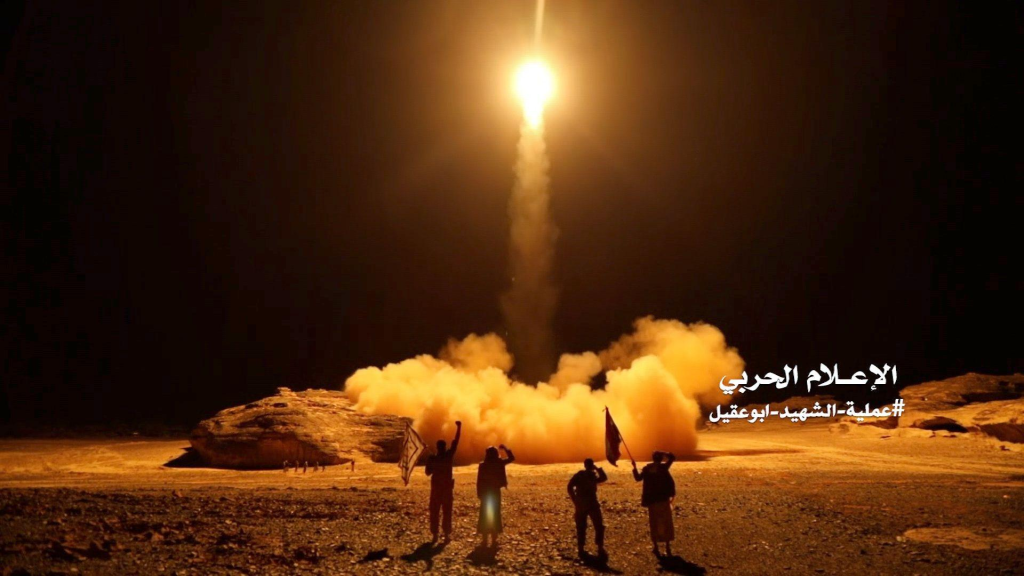
Days before Trump’s remarks, Yemen’s Ansarullah, after long threats and declarations of readiness, launched missiles toward Israel, officially entering the theater. Iran had previously warned that in the event of heightened tensions by the U.S. and Israel, or the involvement of Gulf Arab states, Yemeni forces would become active. Despite this, the Houthis have not targeted the Bab al-Mandab maritime traffic this year—a move analysts suggest could reflect operational limits, pressure from external actors like Saudi Arabia, or a tactical calculation to strike at the moment of maximum leverage.
This quiet period is especially significant because, following Iran’s effective closure of the Strait of Hormuz, Bab al-Mandab has become the region’s critical maritime chokepoint. Simultaneous or sequential disruption of both straits could deliver an unprecedented shock to global trade and energy markets. Trump continues to signal a willingness to escalate, having deployed thousands of additional ground troops to the region. If his threats to Iranian energy infrastructure are carried out and the Houthis retaliate by targeting Bab al-Mandab, the global economic consequences would be severe.
Bab al-Mandab is vital for connecting European and Asian markets and serves as a key export route for Saudi energy. Prior to 2023, roughly 9 million barrels of oil per day passed through the strait. The 2023 experience demonstrated how Houthi attacks could disrupt this flow—after the Gaza conflict, oil shipments fell to less than half, forcing shipping companies to take longer routes around the Cape of Good Hope.
For Saudi Arabia, an attack on Bab al-Mandab could undermine its risk-reduction strategy. The East-West pipeline, which transports oil from the Gulf to the Red Sea, is operating near full capacity, and any threat to it could disrupt Saudi exports. This scenario would have particularly broad inflationary and economic impacts for Asia, which receives 75% of Saudi oil exports.
Egypt is also highly vulnerable. The Suez Canal, which handles around 30% of global container traffic, is a critical source of foreign currency revenue. Disruption in the Red Sea could deplete Egypt’s foreign reserves and, amid high inflation, currency depreciation, and subsidy pressures, exacerbate the country’s economic crisis. Rising food prices following the onset of hostilities are already indicative of this vulnerability.
Ultimately, if the U.S. intensifies pressure on Iran, Tehran may conclude that fully activating Ansarullah is the key to maintaining deterrence. Such a scenario would sharply increase the global economic costs of war, forcing governments to adopt emergency measures.