DID Press: Since the onset of US aggression against Iran, Donald Trump has issued a series of contradictory, threatening, and often conflicting statements regarding the war, NATO’s role, and the Strait of Hormuz. His remarks have swung from “complete victory” to “urgent need for help,” and from “no need for allies” to “requesting immediate cooperation from them.”
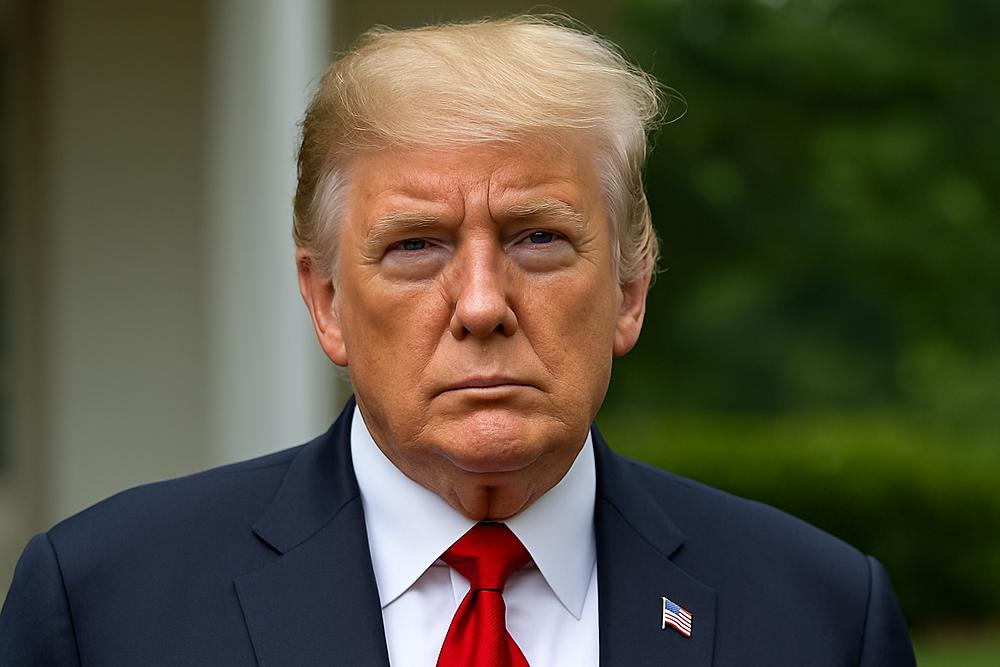
A timeline of his statements shows rapid shifts that have created confusion and elicited widespread reactions in political and diplomatic circles:
- March 3: “We have won the war.”
- March 7: “We have defeated Iran.”
- March 9: “The war is almost completely and beautifully over.”
- March 11: “You never like to say you’ve won early. We won. It was over in the first hour.”
- March 12: “We won, but not fully yet.”
- March 13: “We have won the war.”
- March 14: “Please help us.”
- March 15: “If you don’t help us, I will certainly remember it.”
- March 16: “We don’t need any help at all.”
- March 16: “I was just testing to see who’s listening.”
- March 16: “If NATO doesn’t help, it will suffer greatly.”
- March 17: “We neither need nor want NATO’s help.”
- March 17: “I don’t need Congress’s approval to leave NATO.”
- March 18: “Our allies must cooperate in reopening the Strait of Hormuz.”
- March 19: “U.S. allies must take control—step in and help open the Strait of Hormuz.”
- March 20: “NATO is cowardly.”
- March 21: “The Strait of Hormuz must be protected by the countries that use it. We don’t use it; we don’t need it opened.”
- March 22: “This is the last time. Iran has 48 hours. Open the strait.”
- March 22: “Iran is dead.”
- March 23: “We had very good and constructive negotiations with Iran.”
- March 24: “We are making progress.”
- March 25: “They gave us a gift—arrived today, a very big and valuable gift. I won’t say what it is, but it’s a very important reward.”
- March 26: “Make a deal, or we will continue to surprise them.”
- March 27: “We don’t need to be there for NATO.”
- March 28: No major quote.
- March 29: Claimed negotiations are progressing.
- March 30: “Open the Strait of Hormuz immediately, or face devastating consequences.”
- March 31: Claimed an agreement is “very close” and Iran “will do the right thing.”
- April 1: “We will soon see what happens.”
- April 2: Reiterated the possibility of an agreement while warning that attacks would continue if not reached.
- April 3: “Something big is going to happen.”
- April 4: Said Iran must “immediately” comply, or face further consequences.
- April 5: “Open the damn Strait, you crazy bastards, or live in hell.”
- April 6: “Iran is a powerful enemy. Iranians are fierce warriors and refuse to surrender.”
Analysts say these contradictory statements—from premature victory claims to harsh threats, followed by assertions of negotiation progress—reflect an unpredictable and incoherent policy approach. Such behavior not only fails to convey a clear message to allies and rivals but may undermine U.S. diplomatic credibility and complicate decision-making in crises.
Observers also warn that these repeated reversals have destabilized the international environment and rendered the United States one of the least reliable actors in the global system.