UN Expert Warns Women’s Restrictions Are Driving Preventable Deaths in Afghanistan
DID Press: Richard Bennett, marking World Health Day, warned that continued restrictions on women—including limits on education and employment of female health workers—are intensifying suffering and leading to preventable deaths in Afghanistan.
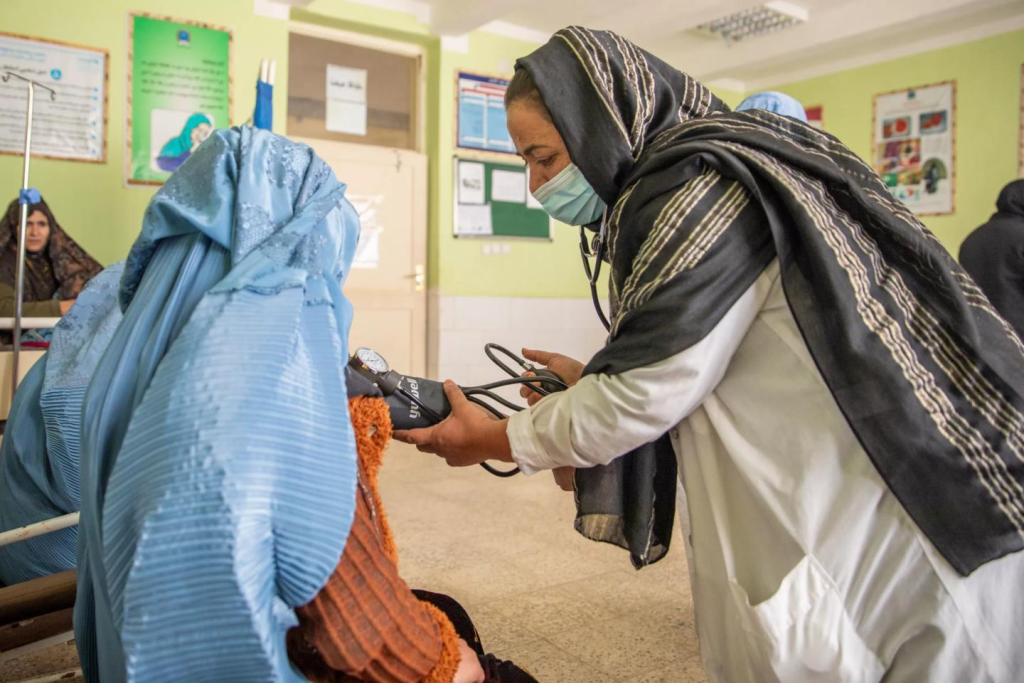
Bennett’s latest report indicates that sweeping restrictions on women and girls, combined with declining international assistance, have pushed the country’s healthcare system to the brink of collapse and contributed to rising illness and avoidable mortality.
The report stresses that the current health crisis stems not only from decades of war and structural weaknesses but has been directly aggravated by restrictive policies targeting women and girls. These measures include limitations on education, employment, mobility, and access to healthcare, deepening existing inequalities.
According to the Special Rapporteur, these restrictions have created a “self-reinforcing cycle of gender-based repression” that systematically undermines women’s ability to care for their own health and threatens the long-term stability of the healthcare system.
The report also warns that sharp reductions in international funding and operational constraints on humanitarian organizations have disrupted the delivery of essential services, leaving millions at risk of losing access to basic care—particularly women, girls, and gender-diverse individuals.
Bennett called on the governing authorities to immediately lift bans on women’s education, mobility restrictions, and employment barriers, and to guarantee equal access to healthcare, education, and job opportunities. He also emphasized the need to increase healthcare funding and expand medical services, especially in underserved areas.
At the international level, countries were urged to condition normalization of relations with current authorities on measurable improvements in human rights and to expand financial and political support for civil society, particularly women-led organizations.