DID Press: Once again, United States has made a grave strategic error in its calculations against the Islamic Republic of Iran. Washington had declared three main objectives for its military intervention: “regime change in Iran, halting the peaceful nuclear program, and destroying Iran’s missile defense capabilities.” Yet, through divine favor, steadfast resistance, strategic planning, and the firm will of the Iranian nation and leadership, the course of the conflict was decisively turned against the “pharaoh in the White House.”
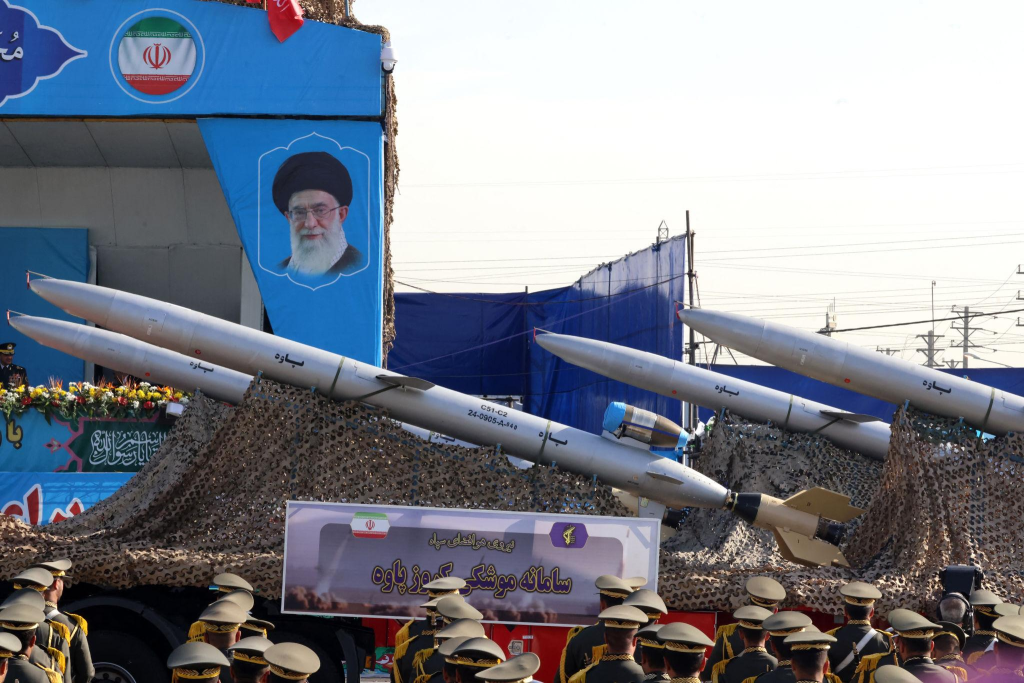
After forty days of war, military confrontation, and maximum pressure, the conflict concluded without the U.S. achieving any of its stated objectives. Instead, the battlefield became a stage for strategic humiliation, where the only outcome America could even raise as a condition for ending the war was “keeping the Strait of Hormuz open”—a strait that had always been open to international transit and was never a matter of dispute.
Remarkably, it was the U.S. that retreated from all of its initial demands, accepting a ceasefire unconditionally. More importantly, negotiations are now being conducted based on a ten-point plan presented by Tehran, which Donald Trump explicitly acknowledged as “the framework and basis for dialogue.”
The critical point in these recent developments is that despite the asymmetry of the conflict and suffering heavy losses, the Islamic Republic of Iran did not concede even a single principle of its strategic objectives and retained the initiative.
On the diplomatic and operational front, U.S. acceptance of Iran’s ten-point document is not merely a starting point for talks—it represents a strategic surrender in diplomatic guise. In diplomatic terms, when the aggressor must accept the roadmap proposed by the other party, it signifies an unambiguous victory for Iran and a total defeat for the hostile U.S. policies.
In short, the U.S. left the arena empty-handed, while Iran emerged with the upper hand, securing the negotiating table’s leverage. This outcome is the result of patient strategy, decisive defense, and dignified diplomacy.
Cautionary Note: Past experiences have refined Iran’s perception of U.S. behavior. Tehran is well aware of Washington’s long history of deceit, breaking commitments, and “buying time” to rebuild forces or plot new schemes. While the apparent U.S. acceptance of the ten-point plan marks a major victory, it does not eliminate the underlying threat or alter the imperial nature of the adversary.
Thus, the Axis of Resistance and the Islamic Republic must act wisely, as emphasized in statements by Iran’s Supreme National Security Council, adhering to the principle of “no trust in the U.S.,” and making decisions solely based on national interest and deterrent strength. Any negotiation must proceed with full vigilance, field monitoring of commitments, and reliance on domestic capabilities. The key lesson: absolute awareness is the first condition for safeguarding this historic victory against an adversary renowned for deceit and broken promises.
While the U.S. exited the conflict empty-handed, Iran returned from the negotiation table with full honor. Sustaining this victory requires resilience against deception and continued strengthening of national defense and strategic independence.
#Iran_Victory
#US_Defeat
By Professor Fazl-ul-Hadi Vazin — DID News Agency