Open Kabul–Islamabad Conflict: Nuristan Encircled as Regional Security Puzzle Deepens
DID News: The remote valleys of Nuristan, covering the Hindu Kush section of the colonial Durand Line, have become the scene of one of the deadliest and most complex confrontations between Afghanistan and Pakistan over the past two months. The districts of Bargmatal and Kamdesh in eastern Afghanistan now symbolize a humanitarian disaster and a geopolitical deadlock rooted in decades of mistrust, mismanagement, and security competition.
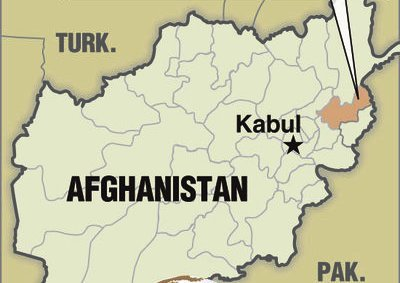
Local reports indicate that access routes in these districts were completely blocked for over 20 days, and heavy Pakistani artillery fire cut off thousands of civilians from food, medicine, and fuel, heightening famine risks.
Taliban officials in Nuristan confirmed that Pakistani forces targeted civilian vehicles and supply convoys. The bombardment was so intense that during the early days of the Eid al-Fitr ceasefire, Afghan doctor “Anzira Sahar” and her child were killed by a direct rocket hit, and their bodies remained at the site for hours. Simultaneously, reports emerged of local officials fleeing and mass civilian displacement. The Taliban dispatched two fresh battalions to prevent a potential collapse, but public dissatisfaction and official departures undermined their effectiveness.
This crisis is more than a border skirmish; it marks a turning point in Kabul–Islamabad relations. Following Pakistan’s Defense Minister’s declaration of “open war” on February 27 and the launch of Operation “Ghazzab Lil Haq,” the conflict entered a direct confrontation phase. The Taliban responded with Operation “Radd al-Zulm,” signaling the end of covert proxy conflicts and the start of direct state-to-state engagement.
This escalation coincided with global attention focused on the Iran–U.S.–Israel crisis, leaving the humanitarian disaster along the Afghanistan–Pakistan border largely overlooked.
Historically, the Durand Line, established in 1893, has never been recognized by Kabul and has divided Pashtun and Baloch communities, fueling enduring tensions. Pakistan has attempted to consolidate the line through border fencing and checkpoints, which the Taliban have repeatedly destroyed.
Another complicating factor is the activity of the Tehrik-i-Taliban Pakistan (TTP). Islamabad claims attacks by the TTP have increased since the Taliban came to power and that Kabul harbors its leaders. The Taliban deny this, though historical mutual support during the jihad era complicates the narrative. Pakistan’s “Tufan Khyber” and prior airstrikes in Kabul, Khost, and Paktika laid the groundwork for current tensions.
During Operation Ghazzab Lil Haq, Pakistan claimed to have destroyed dozens of Taliban bases and killed hundreds of “terrorists,” claims rejected by the Taliban, who denounced indiscriminate attacks on residential areas. One of the most controversial strikes hit a drug rehabilitation center in Kabul, where UNAMA confirmed at least 143 fatalities.
The humanitarian toll is severe. UNAMA reports that over 115,000 people have been displaced in just a few weeks. The siege of Bargmatal and Kamdesh has caused severe shortages of food and medicine, prompting international organizations to call for safe access routes.
Analytically, the behavior of both countries must be understood within a “security puzzle” framework, where one side’s defensive measures are perceived as offensive threats by the other, creating a cycle of misperception and reciprocal response. Pakistan views its actions as counterterrorism measures, while the Taliban interpret them as violations of national sovereignty, responding by reinforcing border forces and using the TTP as leverage.
Ultimately, this crisis is not temporary; it marks the transition from proxy wars to direct confrontation. Its roots lie in the Durand Line dispute, security competition, Pakistan’s internal crises, and Taliban strategic calculations. The central question remains: will Kabul negotiate the expulsion of the TTP, or will ideological ties prevent such an agreement?
By Sayed Reza Ahmadyar – DID News Agency