National Mourning in Herat: Tragedy Tests Afghanistan’s Unity and Resolve
DID Press: A devastating and heartbreaking tragedy in the historic city of Herat has left a blood-stained image of sorrow on the face of Afghanistan—an Event portrayed not as an isolated incident, but as a deep wound on the body of a united nation.
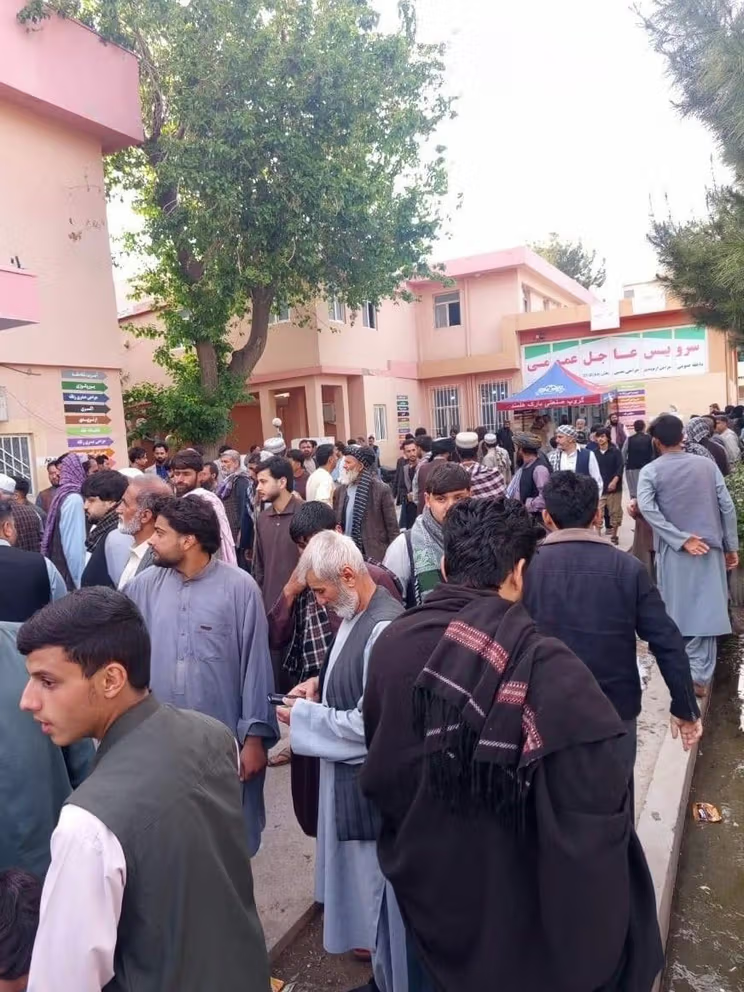
Today, Herat is described as more than a geographic location; it has become a mirror reflecting suppressed tears, silent cries, and the shared mourning of people across the country. Afghanistan is depicted as a single body—where every drop of blood shakes a heartbeat, and every cry of injustice plunges the soul of a nation into grief.
What occurred is framed not merely as a crime, but as a stark symbol of confrontation between humanity and brutality. Scenes in which bullets replaced smiles, peace was shattered into violence, and families seeking brief comfort in nature were killed before one another’s eyes are described as images that move not only emotions, but also the conscience of observers. The tragedy is portrayed as a silent cry of victimhood translated into blood amid indifference and cruelty.
Yet beyond the heavy mourning, the commentary emphasizes a strategic reality: society is not only grieving, but also bearing responsibility—responsibility to preserve unity, maintain social vigilance, and prevent the spread of divisive forces that exploit societal fractures. Historical experience, it argues, shows that enemies of humanity have consistently benefited from fragmentation and neglect among nations, and that each loss of life today calls for greater awareness and cohesion.
Afghanistan is portrayed as facing a major test—one of loyalty to shared suffering and steadfast commitment to unity. Citizens are urged to stand together beyond ethnic, religious, and regional divisions, demonstrating that the nation, despite its wounds, remains alive, vigilant, and resilient, and capable of forging a brighter future from the depths of tragedy.
By Abdul Raouf Tawana — DID News Agency