DID Press: Inconclusive end of negotiations between Iran and United States in Islamabad once again demonstrated that the gap between the two sides’ demands is far deeper than can be resolved through a single round of dialogue. In this process, what stands out most is Washington’s insistence on a broad set of demands that extend beyond the realities on the ground and the existing balance of power—demands that the United States has not achieved in practice and is now attempting to impose on Iran at the negotiating table.
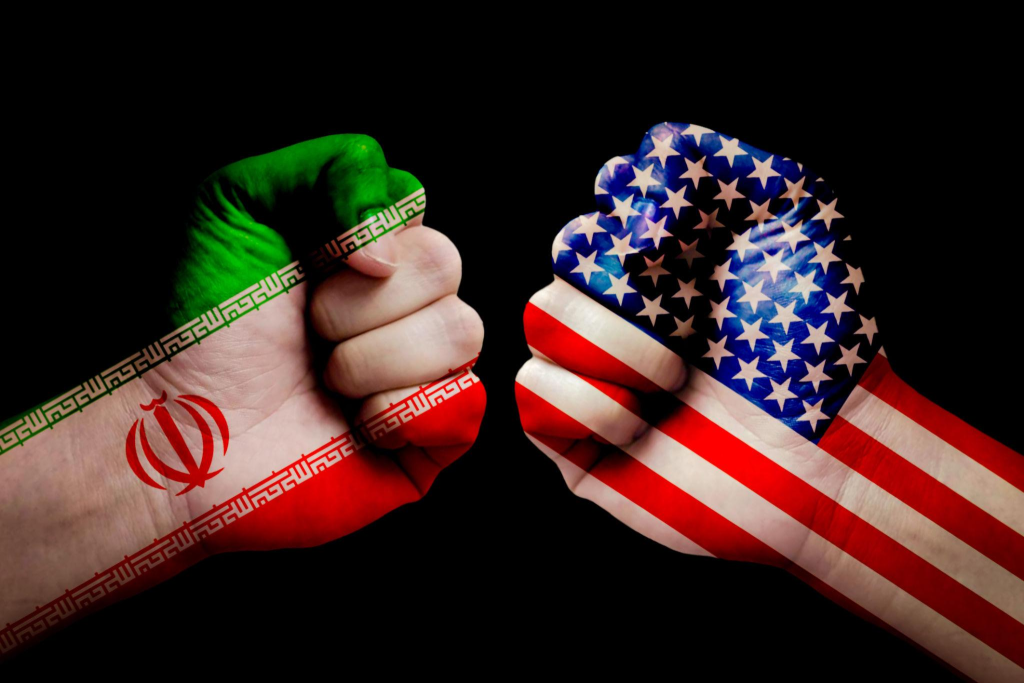
This situation reveals the true nature of the stalemate: Washington continues to approach negotiations with a mindset rooted in past assumptions, while regional and geopolitical realities have shifted, placing Iran in a position where it does not need to trade its established strategic gains achieved in the field for concessions at the negotiating table.
In recent years, the U.S. policy of maximum pressure—pursued through reliance on hard-power tools, extensive military actions, and the targeted killing of senior Iranian officials during a forty-day conflict—aimed to restrict Iran’s capabilities and even reshape its political structure. However, according to this analysis, the outcome has been the opposite for Washington. These pressures not only failed to weaken Iran’s power structure but also contributed to strengthening Tehran’s regional position and expanding its deterrence capacity.
Now, after setbacks on the battlefield, the United States is attempting to pursue the same objectives at the negotiating table—ranging from nuclear limitations to reducing Iran’s regional influence and even addressing issues related to energy security and the Strait of Hormuz. Iran, however, considers these areas part of its established sovereign rights and is unwilling to gamble on them in negotiations.
The Strait of Hormuz remains one of the most significant points of contention between Iran and the United States. This vital waterway, through which a substantial portion of global energy trade passes, became a decisive factor in recent power dynamics during the conflict. Iran, relying on its geopolitical position, plays a central role in securing this maritime corridor—a role described as neither removable nor negotiable. Any closure of, or disruption to, the Strait of Hormuz would place pressure on the global economy and particularly on the United States and its allies. Consequently, the failure of the Islamabad talks is portrayed in this analysis as carrying limited direct cost for Iran compared with the broader global economic risks associated with prolonged instability in the waterway.
Beyond this geopolitical reality, the very presence of the United States at the negotiating table with the Islamic Republic of Iran carries symbolic significance. According to the analysis, early strategic objectives of Washington and Israel envisioned an Iran that would not exist in its current form—with its present level of military capability, regional influence, and deterrence capacity. Policies of maximum pressure and regional plans by Washington and Tel Aviv—including large-scale military actions, targeted killings of senior leadership, destruction of infrastructure, and civilian casualties—were designed to dismantle the Iranian system. Yet, after what the article describes as sustained resilience, the United States has been compelled to negotiate and ultimately leave the table without achieving its objectives.
This outcome is presented as evidence that the regional balance of power has shifted, with Iran emerging as an actor whose participation and consent are essential for shaping any regional security arrangement.
Under these conditions, the failure of negotiations is characterized as more costly for the United States than for Iran. The global energy market remains fragile, and any tension in the Strait of Hormuz could exert direct economic pressure on Washington. The analysis further claims that U.S. military coalitions have weakened and that traditional allies are less willing to bear the costs of past interventions. In contrast, Iran is described as holding the upper hand across multiple arenas—from Lebanon to the Persian Gulf—a reality that, according to the article, becomes evident in each round of negotiations.
Conclusion: The Islamabad stalemate is portrayed as both a sign of Iran’s ability to consolidate its position and insist on its demands, and an indication of Washington’s difficulty in adapting to new geopolitical conditions. Relying on its military capabilities, geopolitical location, and role in global energy security, Iran is described as seeing little urgency for a deal, while the opposing side is viewed as more vulnerable to the consequences of prolonged tension surrounding the Strait of Hormuz. As long as Washington does not acknowledge the shift in the balance of power and Iran’s status as an established regional actor, the path to negotiations is expected to remain complex and challenging, with strategic costs for the United States likely to increase over time.
By Rahel Mousavi — DID News Agency