DID Press: Diplomacy is not an arena for bargaining over red lines. Standing firm against what is described as excessive U.S. demands—even at the cost of prolonged negotiations—is presented as part of a diplomatic logic centered on safeguarding national interests.
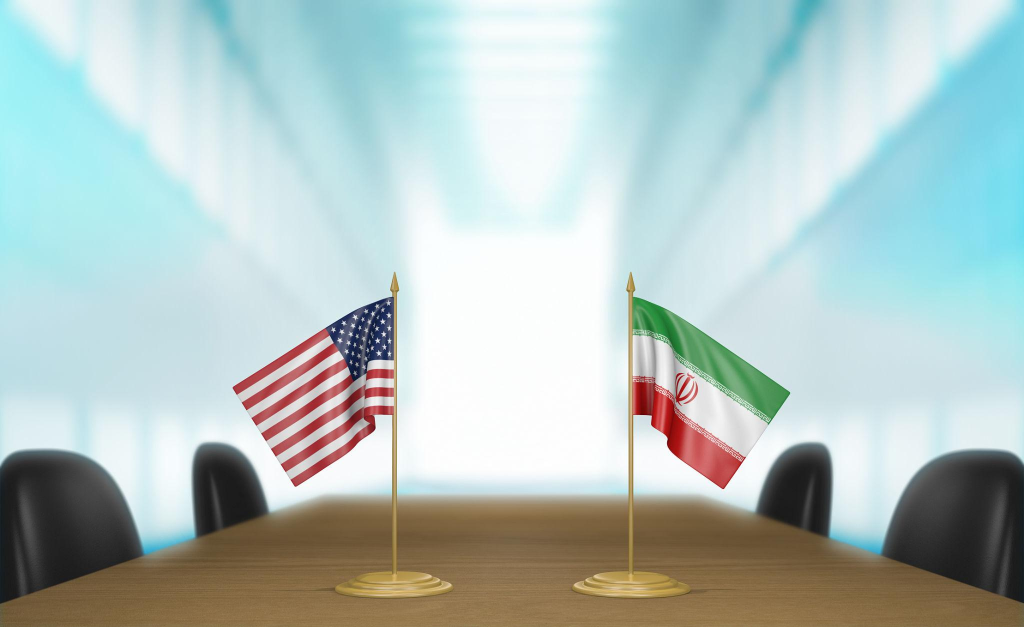
Negotiations between Iran and the United States in Islamabad concluded without a final agreement, contrary to Western media narratives suggesting that a deal was imminent. However, the significance of this round of talks lies not only in the lack of results, but also in what observers describe as the exposure of new dimensions of structural U.S. demands—an approach viewed as extending beyond conventional nuclear frameworks and revealing broader ambitions by United States policymakers.
According to field reports from Islamabad, the U.S. delegation introduced issues into the negotiations that had not previously been part of bilateral engagement history. Proposals concerning the Strait of Hormuz and the removal of nuclear materials from Iran were cited as evidence of Washington’s attempt to expand the scope of its demands. In practical terms, the United States was portrayed as seeking concessions at the negotiating table that it had failed to secure even during periods of maximum pressure and military threats. This approach was characterized by critics as reflecting an overestimation of leverage—the belief that prolonged negotiations and psychological pressure could compel the opposing side to accept demands outside established frameworks.
In response, Iran reiterated its red lines. The Strait of Hormuz was defined as a strategic component outside the scope of negotiations, while the removal of nuclear materials was framed as a sovereign matter not open to compromise. This stance signaled that Iran would not deviate from its core principles even under complex circumstances.
The duration of the negotiations also drew attention. Holding 24 to 25 hours of intensive discussions—the longest round of direct talks in the past year—was interpreted as evidence of serious efforts by the Iranian delegation to narrow differences. Statements by Esmaeil Baghaei indicating partial understandings in certain areas appeared to support this assessment. Nevertheless, the suspension of talks over a limited number of key issues—primarily geopolitical in nature—suggested that the central obstacle lay not in technical details, but in differing conceptions of negotiation strategy, with Washington described as pursuing an “everything in exchange for nothing” approach.
These negotiations took place after more than 40 days of tension and conflict, an environment naturally marked by distrust and suspicion. In such a context, expectations of a rapid agreement were considered unrealistic. What unfolded in Islamabad was framed as a test of the United States’ diplomatic posture. The outcome of that test, according to the analysis, indicated that Washington continues to favor pressure tactics over balanced engagement to secure concessions.
Meanwhile, the role of Pakistan as host and mediator was notable. Meetings with senior officials and efforts to sustain dialogue into the final hours reflected Islamabad’s determination to play an active role in the process. However, the depth of disagreements—particularly on sensitive issues—proved substantial enough that mediation efforts were unable to produce an agreement.
Despite this outcome, the final message of the Islamabad talks was not interpreted as the end of diplomacy. Continued emphasis on dialogue indicates that channels for engagement remain open, though progress is seen as contingent on a shift in the U.S. approach. As long as Washington seeks to impose demands beyond mutually accepted frameworks, reaching a durable agreement is expected to remain difficult.
What occurred in Islamabad once again underscored a central principle: diplomacy is not a venue for compromising on fundamental red lines. Maintaining resistance to perceived excessive demands—even at the cost of prolonged negotiations—is portrayed as an essential component of a national-interest-based diplomatic strategy. The failure of U.S. ambitions in this round of talks delivers a clear message: without realism and mutual respect for established frameworks, no sustainable agreement is likely to emerge.
By Sayed Baqer Waezi — DID News Agency