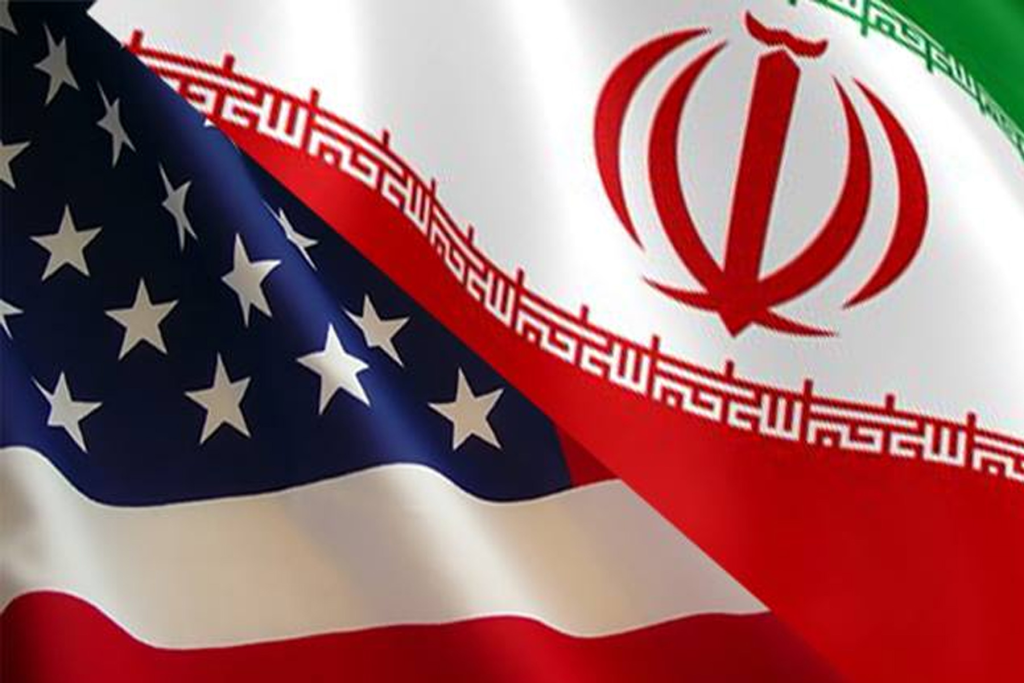
DID Press: A two-week ceasefire between Iran and United States, while appearing to be a short pause in the cycle of tensions in the Middle East, carries broader implications for the countries of Central Asia. The region, which in recent years has emerged as a key hub for energy connectivity and transit across Eurasia, is closely and cautiously monitoring recent developments, as any escalation in the Middle East could rapidly disrupt energy markets, transportation routes, and the economic planning of Central Asian governments.
Official responses from Kazakhstan, Uzbekistan, Tajikistan, and Kyrgyzstan indicate that regional governments are attempting to balance cautious optimism over reduced tensions with an emphasis on the need for a sustainable long-term solution. This careful stance reflects lessons learned from past experience: short-term ceasefires that do not lead to substantive negotiations often serve only as temporary pauses before renewed crises.
From the perspective of these countries, the principal consequences of confrontation between Iran and the United States are likely to manifest not on the battlefield but in the spheres of global economics and trade. Over the past two decades, Central Asian economies have worked to strengthen their position in the global system by expanding energy exports, developing transit corridors, and attracting foreign investment. However, this trajectory remains highly dependent on stable global markets and secure transportation routes—factors that can be quickly disrupted by tensions in the Middle East.
Among regional states, Kazakhstan is considered particularly vulnerable to volatility in energy markets. As one of the major oil exporters in the Caspian Sea basin, the country derives a significant portion of its foreign revenue from energy exports. Consequently, the Kazakh president’s emphasis on the importance of the ceasefire for global economic stability reflects deep concern in Astana over the potential consequences of instability in the Strait of Hormuz and the global oil market.
Uzbekistan, which has adopted a more active foreign policy in recent years, has likewise stressed the necessity of a political resolution to the crisis. Leaders in Tashkent recognize that escalating tensions could jeopardize infrastructure projects and trade corridors designed to connect Central Asia more closely with the global economy. From this standpoint, calls for restraint and dialogue reflect not only diplomatic principles but also underlying economic and geopolitical concerns.
Tajikistan and Kyrgyzstan, despite playing more limited roles in global energy markets, remain exposed to indirect consequences of such crises. Rising energy prices, supply chain disruptions, and pressure on fragile economies could generate significant social and political effects. Repeated statements by officials in both countries emphasizing the absence of a military solution to the crisis underscore their recognition of the real costs of regional instability.
At a broader level, the recent crisis has once again highlighted the vulnerability of the global energy system. The Strait of Hormuz remains one of the world’s most sensitive geopolitical chokepoints, and any threat to it immediately triggers anxiety in international markets. This reality has drawn renewed attention to the Caspian basin and Central Asia’s energy resources, although the region’s capacity to serve as a full alternative supply source remains limited due to persistent geographic and infrastructure constraints.
Despite these limitations, the recent ceasefire is widely viewed in Central Asia as a “breathing space”—an opportunity to reassess energy strategies, strengthen regional cooperation, and accelerate transit projects. However, the durability of this opportunity will ultimately depend on the sustainability of the ceasefire and progress toward a comprehensive political agreement.
In an era when energy and trade routes are becoming increasingly fragile, stability is no longer a choice but a strategic necessity for preserving economic and geopolitical linkages.
By Tooba Rahel Mousavi — DID News Agency