Taliban, Shia Scholars Reach Deal to Resume Jafari Jurisprudence Teaching in Bamyan Schools
DID Press: Sources familiar with the matter report that an agreement has been reached between Shia Ulema Council of Afghanistan and officials of the Taliban administration to resume the teaching of Jafari jurisprudence in several schools and religious seminaries in Bamyan Province starting from the upcoming academic year.
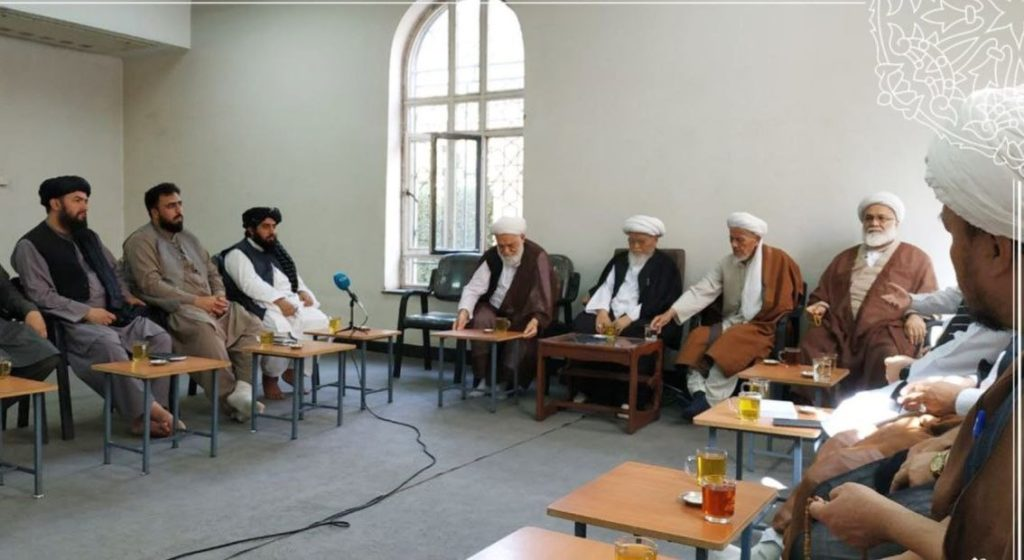
The move is described by observers as one that could ease religious concerns within the Shia community.
Local sources in Bamyan confirmed that after a series of intensive consultations between the two sides, the agreement was finalized following repeated demands from the Shia community and earlier reactions to the suspension of Jafari fiqh instruction in recent years.
According to initial details, Jafari jurisprudence will be included within the religious curriculum framework of local educational institutions. In schools where the majority of students follow the Jafari school of thought, the subject will be taught by qualified instructors. In predominantly Hanafi areas, Hanafi jurisprudence will be taught, while in mixed classrooms both schools of thought will be included.
The Bamyan Department of Education has emphasized that school administrators are obliged to implement the curriculum, warning that violations will be subject to disciplinary action by the Islamic Education Directorate and the education authorities.
The agreement comes after previous controversies over the removal or restriction of Jafari jurisprudence teaching in some institutions, including Bamyan University, which had sparked widespread criticism.
The Shia Ulema Council has repeatedly stated that access to Jafari education is a “fundamental right” of its followers and that its implementation can strengthen national unity and coexistence.
During the announcement ceremony, Hojjat-ul-Islam Seyed Nasrullah Waezi, head of the Shiite Ulema Council in Bamyan, praised the Ministry of Education and local Taliban authorities, calling the decision “a positive step toward strengthening Islamic unity and brotherhood.” He also expressed hope that similar policies would be extended to other Shia-majority provinces.
Education experts, however, stress that the success of the plan will depend on effective implementation, continuity, and proper monitoring. It remains unclear whether the agreement will be extended to higher education institutions or remain limited to schools and religious seminaries.