Foreign Fighters Integration in Syrian Army: Solution or Threat?
DID Press: With the collapse of Bashar al-Assad’s government in late 2024 and the beginning of a five-year transitional period led by Hay’at Tahrir al-Sham (HTS), the reconstruction of the Syrian army has become one of the most pressing challenges.
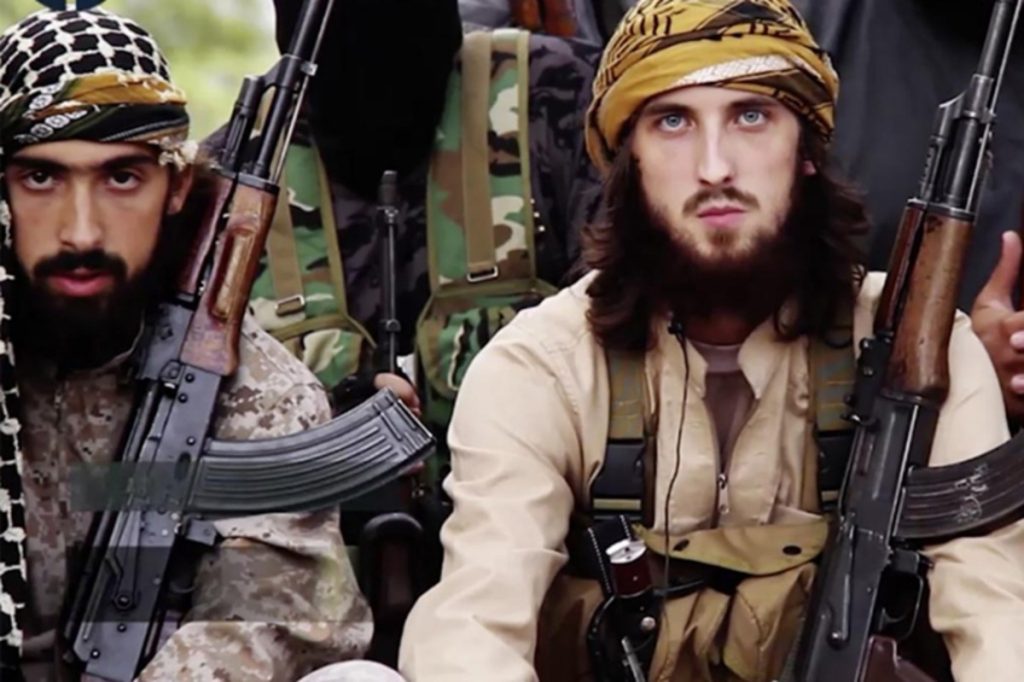
Among the most controversial decisions is the integration of approximately 3,500 foreign fighters—primarily from China’s Uyghur Muslim minority and neighboring countries—into a new unit called the 84th Division of the Syrian Army. This move has sparked widespread reactions.
Estimates suggest that foreign fighters make up nearly 30% of HTS’s forces. The number of Uyghurs alone in Syria is estimated to be between 5,000 and 7,000—a figure significantly higher than officially reported.
In December 2024, HTS announced that 6 of the 49 newly promoted officers were foreign fighters—a sign of their growing presence within the command structure.
However, in the following two months, during bloody violence in Syria’s coastal regions, over 1,000 civilians were killed—many of them from the Alawite minority. Numerous reports pointed to the direct involvement of foreign fighters in these massacres.
Analytical reports, including from The Soufan Center (TSC), emphasize that these fighters play training and leadership roles within the new army, operating under tactical structures such as Malhama Tactical, Muhajir Tactical, and Albania Tactical. Some of these groups have even established private military companies (PMCs).
In this context, many analysts warn that integrating fighters lacking national affiliation and with jihadist backgrounds—without a coherent national military doctrine—will not contribute to the cohesion of the army. On the contrary, it could seriously undermine efforts to rebuild national trust.
While the United States has justified its position by citing “transparency in the integration process,” and HTS is no longer officially designated as a terrorist organization, the unbalanced composition of the new army—with the significant presence of foreign fighters—has dramatically heightened security, sectarian, and regional risks