Unclear Process of Sending Afghanistani Workers to Qatar: From Contentious Registration to Uncertain Future
DID Press: Taliban’s Ministry of Labor and Social Affairs recently announced that it had begun registering workers for deployment to Qatar. Under an agreement with the Qatari government, 2,000 skilled Afghanistani workers are to be sent to the Gulf state. However, from day one, the registration process has been met with widespread criticism, disorganization, and reports of discrimination, corruption, and lack of transparency.
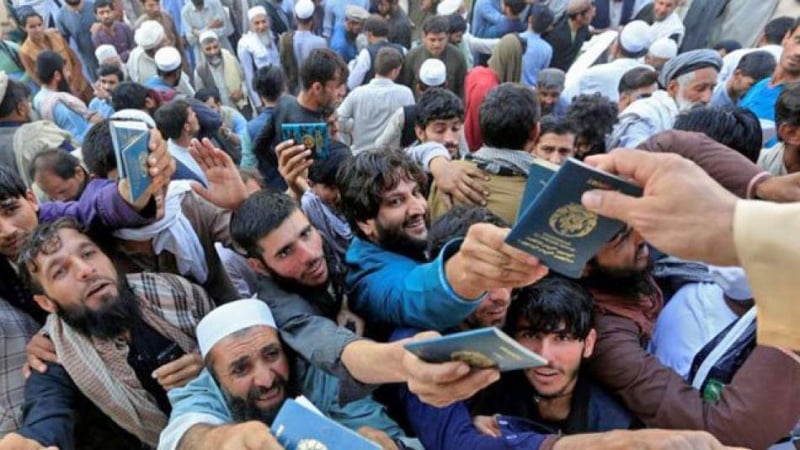
On the first day of registration in different zones of the country, thousands of applicants crowded the centers, but only a small number managed to register. Most returned home empty-handed after hours of waiting and enduring whippings and insults from Taliban security forces. In the following days, the situation remained much the same with overcrowding, inadequate capacity, and reports of “relationship-based selection” fueling public concern.
Many applicants claim that only those with close ties to the Taliban government or influential intermediaries are allowed into registration centers. Local sources confirmed that those with personal ties are called in directly and registered, while others wait for hours under the scorching sun only to be turned away.
Another troubling aspect of the process is the alleged prioritization of applicants from the Pashtun ethnic group. According to some applicants and local observers, the initial approved registration lists have been dominated by members of this group. Given Afghanistan’s multi-ethnic makeup, such practices risk deepening ethnic discrimination and public resentment. This concern is heightened by the fact that many private companies responsible for registration are run by individuals from the same ethnic background.
Furthermore, the Taliban’s interim government has outsourced registration to 20 private companies across various provinces without explaining the criteria used to select them. Each company charges 100 Afghanis as a registration fee — an amount which, given Afghanistan’s mass unemployment, could generate significant revenue for the firms involved.
Adding to concerns, most of these companies are reportedly managed by individuals from one ethnic group, further intensifying suspicions of bias and injustice.
At the same time, the Ministry of Labor and Social Affairs has not provided any details about working conditions in Qatar such as the city of employment, type of contract, salary, or benefits. The announced job list covers both service and technical roles, including electrical engineers, drivers, dairy workers, chefs, hotel cleaning coordinators, and domestic staff. However, it is unclear where these jobs will be located, what wages will be offered, and what benefits workers will receive.
Observers warn that the lack of transparency, the potential for corruption in the registration process, and the absence of clear information about working conditions could mark the beginning of a new disaster for thousands of Afghanistani workers. While employment in a wealthy country like Qatar might seem appealing at first glance, the realities on the ground suggest otherwise.
Reports from human rights organizations and international media have long criticized the situation of foreign workers in Qatar. During preparations for the 2022 FIFA World Cup, thousands of migrant laborers worked under harsh, exhausting conditions. Media outlets reported worker deaths, exploitation, abuse, and extremely low pay prompting many observers to describe Qatar’s labor system as “modern-day slavery.”
Moreover, the cost of living for foreign workers in Qatar is extremely high, with much of their income consumed by food, housing, and transportation expenses. As a result, the dream of working in Qatar may turn into a bitter, draining experience for many unemployed and impoverished Afghanistan population.
Given these concerns, the program to send Afghanistani workers to Qatar appears more like a publicity tool for the Taliban’s interim government than a genuine solution to unemployment.
Without fundamental reforms to the registration process, full transparency on working conditions, and guarantees of labor rights, this project is unlikely to be effective and may instead fuel greater public dissatisfaction and the exploitation of Afghanistani labor
Mohsen Mowahid – DID Press