Jihadi Leaders and Fall of Republic: From Power-Sharing to Alignment with Taliban
DID Press: Afghanistan’s republican establishment took shape after the fall of the Taliban government in 2001, with the presence of US forces. The beginnings of this new political structure date back to the Bonn Conference in December 2001 — a meeting intended to establish a new order for Afghanistan after years of war and destruction. One of the main elements of this new order was the inclusion of ethno-jihadi leaders — individuals who had previously played a central role in the civil wars and who, at the Bonn Conference, secured a significant share of Afghanistan’s future power.
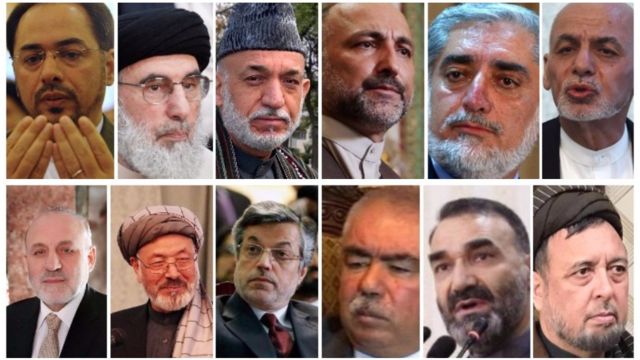
These leaders, who regarded themselves as the owners of the jihad against the Soviet Union, consistently used this past as a tool to strengthen their position in power. During the two decades of the Republic, they amassed immense wealth — ranging from extensive access to state resources and the comforts of modern life to large-scale investments both inside and outside the country. Under President Hamid Karzai, the influence of jihadi leaders in domestic and foreign affairs was substantial, and they played an important role in major decision-making. However, with the rise of Mohammad Ashraf Ghani, the government’s approach toward these leaders shifted. Ghani, with a technocratic background and inspired by the theories of Max Weber, had tense relations with them. One key point of contention was his centralization of customs systems and revenues during his tenure as Minister of Finance — a move that curtailed a significant source of the jihadi leaders’ informal income. It was previously said that the bulk of customs revenue was divided among the mujahideen leaders, with only a small portion deposited into the state treasury.
Over time, the marginalization of jihadi leaders under Ghani became more apparent — a development that, while potentially in line with the preferences of some foreign supporters of the Republic, caused deep dissatisfaction among these leaders. Prioritizing personal and factional interests over national interests, they played a role in weakening the government and even hastening the collapse of the republican system. These leaders interpreted democracy and elections through an ethnic lens, effectively diverting the course of modern institutions.
One of the clearest signs of their rapprochement with the Taliban was the 2017 “Moscow Format” meeting — hosted by Russia without the participation of the Afghanistan government and attended by Taliban leaders, several jihadi leaders, and a number of discontented former politicians and representatives. In that meeting, opposing factions presented their visions and proposals for Afghanistan’s future. Similar gatherings were later held in neighboring countries, where the presence of both jihadi leaders and the Taliban was evident.
In summary, ethno-jihadi leaders were part of the power structure from the very start of the Republic, but their approach to politics and governance was driven by personal and factional gain. As long as they held a place within the power structure, they supported the system; but the moment they were sidelined, they took every measure to weaken and dismantle the Republic. This dual and opportunistic behavior was one of the key factors in the collapse of the republican system and the Taliban’s return to power.
By Mohsen Mowahid