Rapid Urbanization Strains Afghanistan’s Infrastructure
DID Press: UN-Habitat issued a warning regarding the uncontrolled pace of urbanization in Afghanistan, particularly in Kabul, emphasizing that the country’s existing infrastructure is ill-equipped to handle such growth.
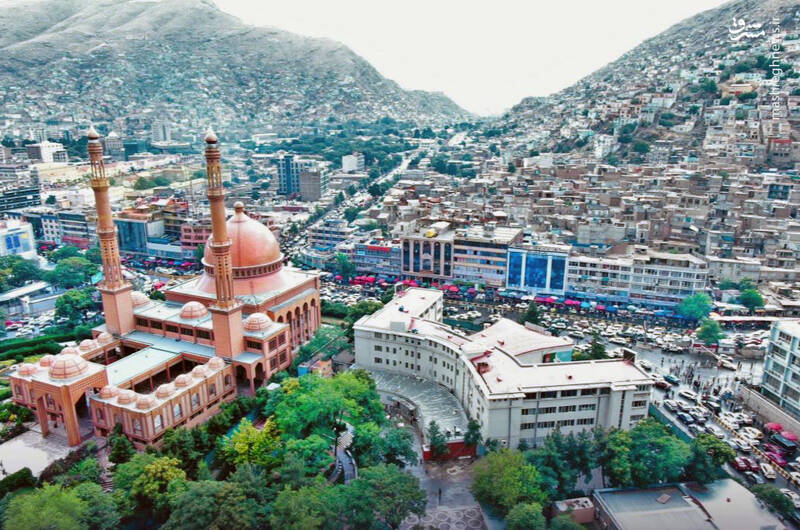
In a statement, the organization highlighted that rapid, unplanned urban expansion is triggering a severe infrastructure and environmental crisis. UN-Habitat cautioned that without immediate intervention, Afghanistan could face a major environmental catastrophe.
Historical data shows that only 5% of Afghanistan’s population lived in urban areas in 1950. By 2022, this figure had risen to 25% and is projected to reach 50% by 2060. Despite this growth, the country lacks the necessary capacity to manage the expansion effectively.
Currently, over 40% of Afghanistan’s urban population resides in Kabul, a city already grappling with serious environmental challenges, including air pollution, uncontrolled construction, and critical water shortages. UN-Habitat warns that if the trend continues, Kabul’s underground water reserves could be depleted by the early 2030s, threatening the livelihoods of nearly seven million residents.
The organization has called on both domestic authorities and the international community to take urgent, coordinated measures to manage urbanization, protect water resources, and strengthen infrastructure.