Afghanistan’s Economy Over Past Four Years: From Crisis to Partial Recovery Amid Ongoing Challenges
DID Press: Since the Taliban assumed power in 2021, Afghanistan has experienced severe economic hardship. The abrupt suspension of international aid, the imposition of sanctions, reduced investment, and strict social restrictions—particularly affecting women—pushed the country into a deep economic crisis. Inflation surged above 25%, the Afghani lost significant value, purchasing power declined sharply, and unemployment increased, especially among youth and women.
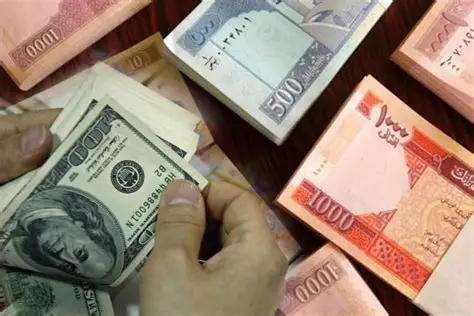
The lack of international recognition and continued sanctions blocked foreign investment, leaving the economy heavily dependent on humanitarian assistance, with more than 70% of the population relying on food aid.
From the second year onward, the Taliban introduced measures to stabilize the economy, including increasing tax revenues, combating corruption, and managing currency exchange rates. In a surprising move, they also enforced the prohibition of poppy cultivation.
By 2025, several economic indicators showed improvement. Growth turned positive, mining contracts worth millions of dollars were signed, and solar energy projects—including plans to generate up to 10,000 megawatts—began expanding. Trade with Iran and Pakistan strengthened, industrial machinery imports rose, and infrastructure projects such as roads, railways, gas pipelines, and dams progressed.
Nevertheless, significant challenges remain. The return of over two million refugees has placed additional pressure on the labor market and urban infrastructure. High unemployment, a housing crisis, and ongoing restrictions on women’s education and employment have reduced the active workforce and hindered development. Sanctions and lack of international recognition continue to prevent Afghanistan’s integration into the global economy, keeping the country largely reliant on trade with neighboring states.
By Tooba Rahel Mousav