DID Press: Arbaeen of Imam Hussain, the fortieth day after the events of Ashura, is one of the most prominent religious and cultural occasions in the Islamic world, particularly among Shia Muslims. This day commemorates the martyrdom of Imam Hussain (peace be upon him) and his loyal companions in Karbala. It is not only a religious occasion but also a vast social, cultural, and spiritual phenomenon which its various dimensions can be examined through the lenses of history, Islamic mysticism, sociology, and psychology.
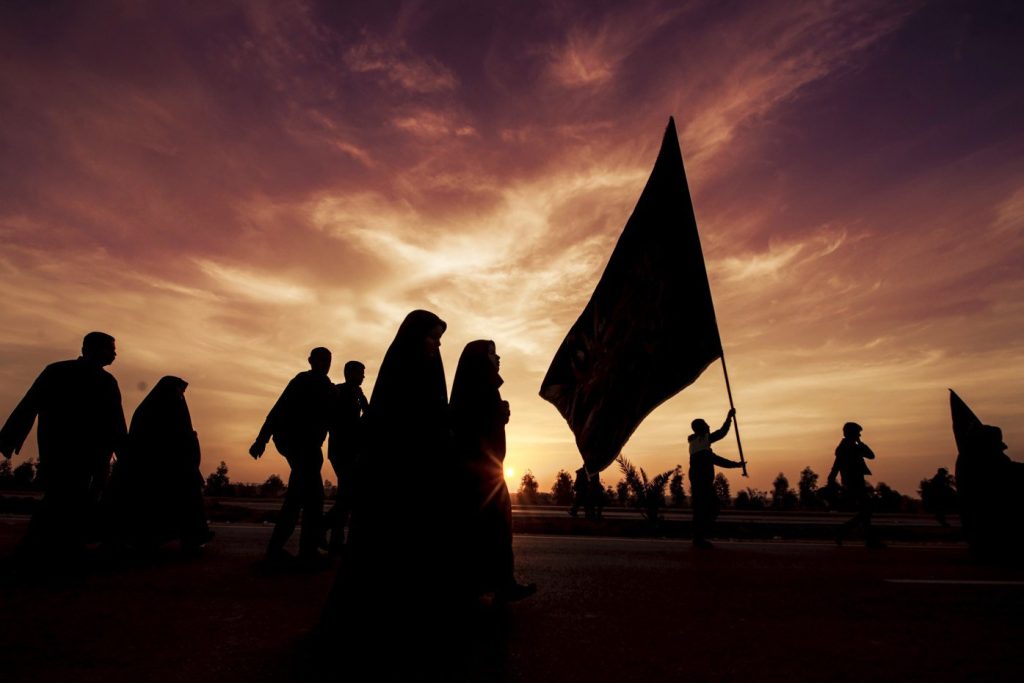
From a historical perspective, Arbaeen is rooted in Shia mourning traditions that emerged after the martyrdom of Imam Hussain (pbu) and coincided with the return of the survivors of Karbala and the Imam’s family from captivity. Over time, and in response to political and social changes, this historical tradition evolved into organized collective rituals. During various eras—particularly in the Safavid period in Iran—Arbaeen was solidified as a national and religious occasion, expanding through the organization of large processions of chest-beating, chain-beating, and lamentation recitals.
Arbaeen also holds a special place in mysticism. In Islamic mysticism, the journey to Karbala and the remembrance of Imam Hussain (pbu) symbolize a spiritual path of discipline and purification, often practiced through forty-day periods of retreat and devotion. From this perspective, the pilgrim’s journey from distant cities toward Karbala—enduring hardships and walking alongside other pilgrims—is a metaphor for the mystical path of suluk (spiritual wayfaring) and mujahadat al-nafs (struggle against the self). Many mystics regard the Arbaeen pilgrimage on foot as a symbol of humanity’s journey toward God and the attainment of moral and spiritual perfection. In a mystical reading of Arbaeen, this journey is not only a reminder of sacrifice and resistance against injustice but also a symbol of detachment from worldly attachments and connection with the Divine Truth.
Beyond Shia Muslims, some Sunni communities also hold mourning and commemoration ceremonies for Imam Hussain (pbu). In countries such as Pakistan, India, Afghanistan, and in parts of eastern Turkey and North Africa, Sunni communities, through gatherings, religious speeches, and cultural events, express respect for Imam Hussain (pbu) and reflect on the moral and human lessons of Ashura. This participation demonstrates that Arbaeen transcends sectarian boundaries, carrying universal human and moral messages that can foster a sense of unity among Muslims.
The social dimensions of Arbaeen are also of particular significance. This occasion creates an extensive network that transcends geographical, ethnic, and linguistic boundaries. Every year, millions of pilgrims from various countries cross borders and walk long distances toward Karbala, experiencing solidarity, empathy, and communal togetherness. Sociological research shows that Arbaeen, in addition to its religious role, provides a suitable environment for strengthening social capital and fostering a sense of collective identity among Muslims.
The psychological dimension of Arbaeen is equally noteworthy. The long walk, the endurance of hardship, and the focus on spiritual goals create a unique emotional and mental experience. Participating in Arbaeen increases feelings of peace, hope, and belonging to a higher purpose, with significant positive psychological and social effects. Reflection on the events of Karbala and the values of Imam Hussain fosters the development of ethics and commitment to virtues such as justice, patience, and selflessness.
The cultural and spiritual aspects of Arbaeen are also important. In addition to its religious rituals, Arbaeen has become a cultural phenomenon that encompasses poetry, music, historical writings, and modern media.
mojab, [8/14/2025 12:29 AM]Today, through social media, news reports, and documentaries, Arbaeen has gained global recognition, conveying the moral, human, and spiritual message of Imam Hussain (pbu) worldwide.
Arbaeen also carries political and social dimensions. The mass gathering of millions of pilgrims in Karbala draws the attention of governments and international organizations, showcasing the capacity of people for collective organization and the creation of large-scale social movements. Beyond strengthening Shia identity, this gathering fosters a form of informal cultural diplomacy that communicates human and religious messages to the world.
In conclusion, Arbaeen of Imam Hussain is a multifaceted phenomenon that encompasses history, culture, religion, mysticism, society, and psychology. This religious occasion goes beyond the mere commemoration of Imam Hussain’s martyrdom and has become a global human movement that unites personal spirituality, social participation, and collective identity.
Scholarly study of Arbaeen reveals how a religious ritual can become a force for fostering unity, strengthening moral values, and promoting human and spiritual messages. Its place in Islamic mysticism and its engagement with Sunni communities add further richness to this remarkable phenomenon.
By Rahel Mousavi