Afghanistan’s “Death Roads” and Countless Victims of Fatal Accidents
DID Press: Poor condition of Afghanistan’s roads, combined with insufficient oversight of passenger transport companies, has created a deadly cycle of accidents, turning the nation’s highways into virtual graveyards for travelers.
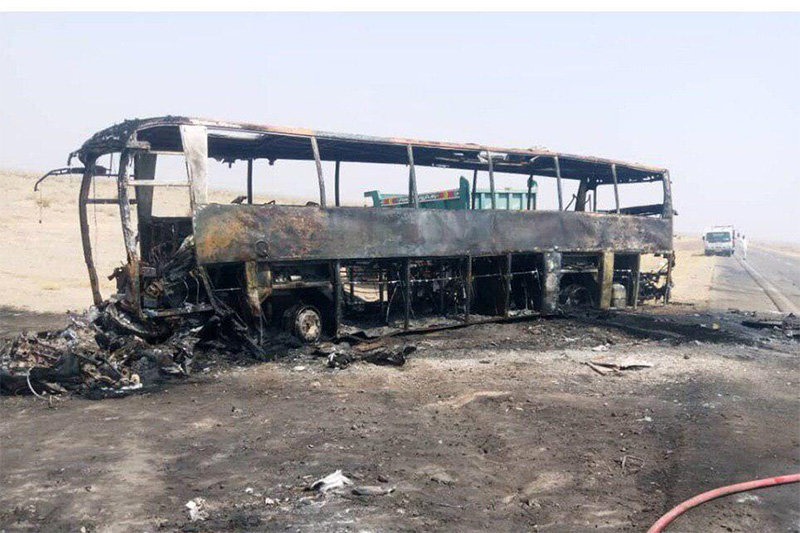
The recent tragedy on Kabul–Kandahar highway, which killed 25 people and injured 27 more, has once again highlighted the grim reality of the country’s transportation network. The accident, caused by a 580-type bus veering off path at Kabul’s Arghandi intersection due to driver negligence, is just one example of the many fatal incidents that plague Afghanistan’s roads. The proximity of this disaster to the deaths of 79 returning migrants in Herat province underscores the severity of the traffic safety crisis, signaling a serious warning for the future of the country’s transportation system.
The recurring pattern of these accidents reflects decades of managerial neglect and a failure to prioritize infrastructure. Afghanistan’s shocking traffic accident statistics are rooted in structural and administrative shortcomings that amplify one another, worsening conditions year by year. Years of neglect and misallocated resources have left road safety in critical condition.
Many roads lack proper traffic signs, adequate lighting, or safety systems, making travel especially dangerous at night or during adverse weather. Weak enforcement of traffic laws and the absence of systematic monitoring further intensify these hazards, turning every journey into a risky venture.
Public transport vehicles add another layer to the problem. Many are not up to safety standards, and maintenance systems are inefficient. Combined with inadequate driver training and lax licensing procedures, this creates a lethal mix claiming more lives every day.
The lack of large-scale investment in road infrastructure and transit services represents a fundamental governance challenge for Afghanistan. The consequences extend beyond immediate safety concerns—economic development and regional connectivity are also severely hampered. Unsafe and unreliable roads obstruct trade, limit market access, and impede the free movement of goods and people.
Public perception reflects this reality: Afghanistan’s roads are widely known as “death roads,” eroding trust and discouraging travel. Families avoid essential trips, businesses hesitate to expand into remote areas, and the nation’s social and economic mobility suffers.
Addressing this crisis requires a comprehensive approach and substantial investment. Upgrading road infrastructure, strengthening oversight and enforcement, establishing a standard public transport network, and launching awareness campaigns are essential. Without these measures, the deadly cycle will continue on Afghanistan’s roads.
Solving the issue is not only a matter of safety; it is crucial for sustainable development and a brighter future of the country. Immediate, decisive action is required.
By Rahmatullah Enayati – Did Press