DID Press: Trade tensions between the United States and India, rooted in Trump’s first presidential term, have entered a new phase as Washington imposing heavy tariffs on Indian goods. This confrontation has strained bilateral relations and had far-reaching consequences for Afghanistan and the region’s geopolitical dynamics.
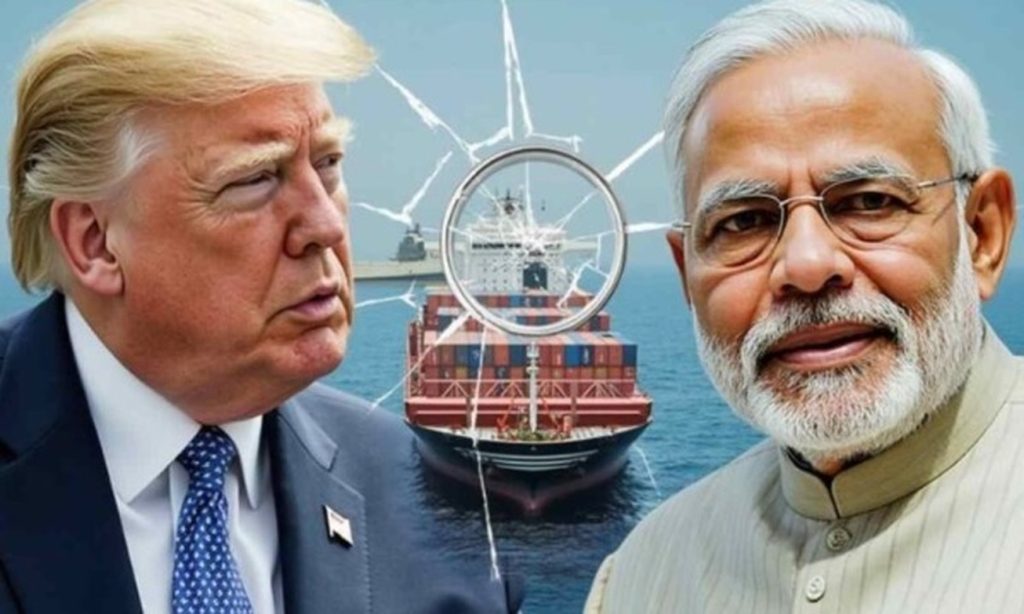
The U.S. decision to impose 50% tariffs on Indian exports in 2025—due to New Delhi’s continued oil imports from Russia—has deepened the rift between the two countries. Washington argues that India’s purchases of cheap Russian oil strengthen Moscow’s war effort in Ukraine, while India defends the policy as part of its economic independence and multilateral strategy.
The repercussions have reached Afghanistan as well. With India’s reduced export capacity, prices of essential goods such as wheat and medicine have risen by nearly 20%, and logistical costs linked to delays in developing Iran’s Chabahar Port have further burdened Afghanistani traders. Additionally, around 25,000 Afghanistani migrants in India are facing growing livelihood challenges amid the economic slowdown.
Meanwhile, China has emerged as a relative beneficiary of this trade conflict. Tactical cooperation between Beijing and New Delhi, a 12% increase in bilateral trade, and China’s major investments in Afghanistan—particularly the $3 billion Mes Aynak copper deal—illustrate how Beijing is rapidly filling the regional vacuum left by the U.S.
However, ongoing border disputes between India and China and New Delhi’s commitment to Quad alliance prevent a full pivot toward Beijing. Overall, this trade war has not only clouded the future of U.S.–India relations but also placed Afghanistan and South Asia at greater economic risk.