Afghanistan Resumes CASA-1000 Project, Strengthening Role as Regional Energy Hub
DID Press: The regional CASA-1000 electricity transmission project is resuming after a two-year pause. This initiative, which will transfer surplus electricity from Kyrgyzstan and Tajikistan to Pakistan, will establish Afghanistan as a key energy corridor in the region and generate millions of dollars in transit revenue annually.
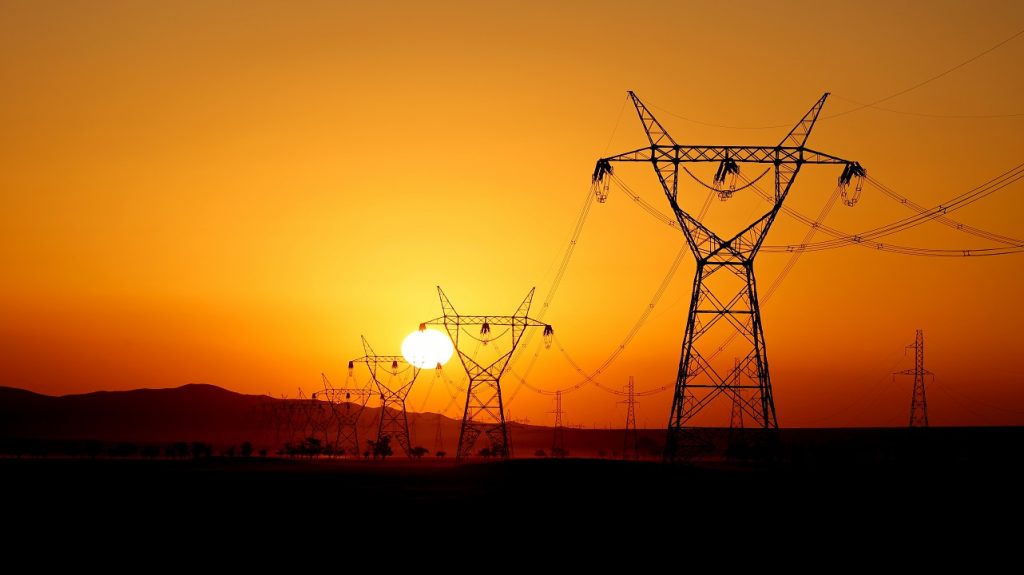
The project, which began in 2016 but was halted following the political changes in Afghanistan, is set to restart in the country within the next two months. Supported by the World Bank and involving Kyrgyzstan, Tajikistan, Afghanistan, and Pakistan, the project is expected to bolster Afghanistan’s role as a regional energy bridge.
The Afghanistan National Power Utility (Breshna) has announced that about 50% of the project’s implementation remains in Afghanistan, with the 580-kilometer transmission line stretching from the Shir Khan crossing in Kunduz to the Torkham crossing in Nangarhar set to be completed.
The goal of the project is to transfer 1,300 megawatts of surplus electricity from Central Asia to Pakistan, solidifying Afghanistan’s position as a critical energy transit route.
A coordination meeting for the project’s resumption was held in Istanbul in May, attended by representatives from the World Bank and member countries.
Zabiullah Mujahid, the spokesperson for the Taliban government, described the project as “vital” and promised that its execution will begin by the end of next month.
According to agreements, Afghanistan will earn between $45 million and $65 million annually from the electricity transit and will also receive up to 300 megawatts of electricity for domestic use.
Experts believe that completing CASA-1000 by the end of 2025 will not only reduce Afghanistan’s dependency on fuel imports but also create new economic opportunities along the transmission lines, significantly enhancing the country’s role in linking Central and South Asia’s energy networks.