Afghanistan’s Silent Crisis: Lost Childhood of a Generation
DID Press: As the world marks International Children’s Day, Afghanistan stands in stark contrast to the global message of celebration and hope. For millions of Afghanistan children, this day is not a symbol of joy but a reminder of hunger, hardship and lost futures.
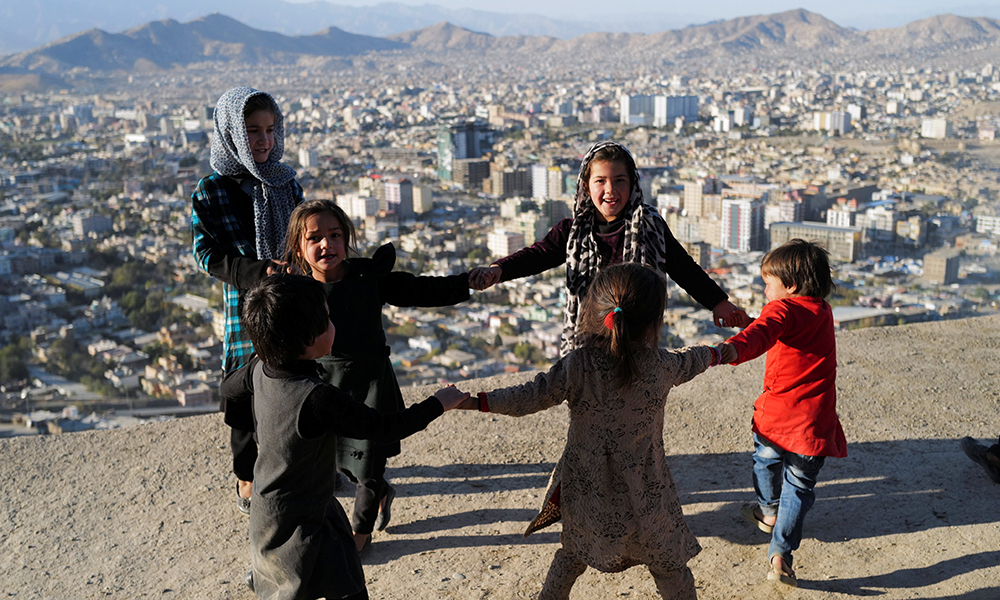
After decades of war, poverty and displacement, Afghanistan faces a deep and multifaceted child crisis, defined by three interlinked realities: malnutrition, child labor and the exploitation of minors in armed conflicts.
A Nation Starved: The Face of Malnutrition
The country’s hunger crisis represents the clearest sign of social collapse. According to international aid agencies, more than 3.5 million Afghanistan children under the age of five suffer from acute malnutrition, with an estimated 1.5 million on the brink of starvation. Nearly half of all young children experience stunted growth, a lasting result of chronic undernourishment, recurring illness and inadequate care.
The crisis has worsened since the political upheaval of 2021, compounded by drought, inflation and a dramatic drop in humanitarian aid. In many rural areas, families can no longer afford three meals a day, and children who should be growing and learning now struggle simply to survive.
Children at Work, Not School
With poverty deepening, countless Afghanistan children have been pushed into the labor force. Across cities and villages, children can be seen working in markets, workshops, mines and fields — often as the sole breadwinners for families left without income. These children are denied education, trapped instead in a cycle of exhaustion and deprivation. Child labor in Afghanistan is no longer a hidden phenomenon; it has become a visible sign of the collapse of the country’s social and educational systems.
Child Soldiers and the War’s Lingering Scars
The use of children in armed conflict remains one of Afghanistan’s darkest realities. For decades, reports have documented the recruitment of minors by armed groups — as fighters, spies, or logistical support. Beyond the physical risks, these children carry deep psychological trauma that often prevents them from reintegrating into normal life. The absence of effective rehabilitation programs for former child soldiers only deepens this wound.
Beyond Aid: A Call for Structural Change
Saving Afghanistan’s children will require far more than sporadic humanitarian relief. Expanding emergency nutrition programs, building sustainable social protection systems and ensuring access to education are critical steps toward healing the wounds inflicted on a generation.
The international community also bears responsibility. Stronger monitoring and accountability mechanisms are urgently needed to end child labor and prevent the use of children in war.
On this International Children’s Day, Afghanistan serves as a painful reminder of a shared moral duty — one that transcends borders and politics. In a nation where hunger and conflict have stolen childhood itself, nothing is more urgent than protecting the life, dignity and humanity of its youngest citizens.
The future of Afghanistan depends on saving its children today.
By Rahel Mousavi – DID Press Agency