Iran Steps In as Mediator to Defuse Afghanistan–Pakistan Crisis
DID Press: Following recent deadly clashes between Pakistan’s army and Taliban forces, Tehran has swiftly moved to mediate, urging restraint and dialogue between the two sides. Iranian officials are leveraging longstanding relations and mutual trust with both Islamabad and Kabul to prevent further escalation along their eastern borders.
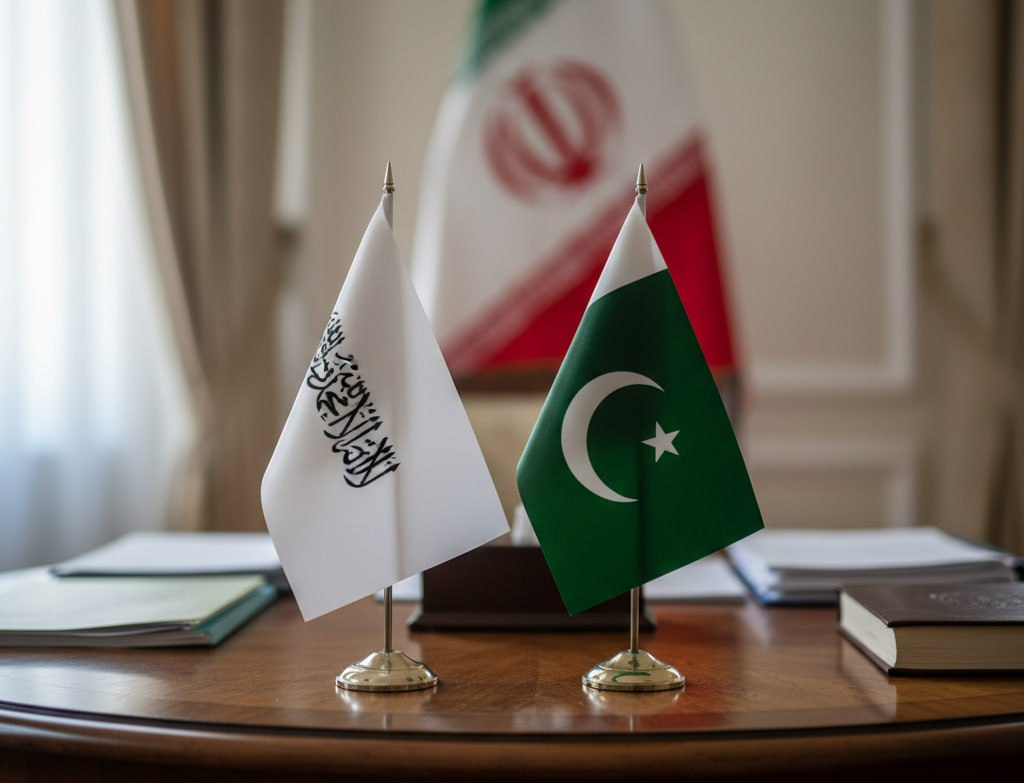
The renewed border fighting has once again exposed the fragility of South Asia’s security environment. Heavy exchanges of fire, closure of border crossings, and mounting casualties have raised fears of a wider crisis.
In response, Iran has launched diplomatic efforts to de-escalate tensions. On Sunday, Mohammad Reza Bahrami, Director-General for South Asia at Iran’s Ministry of Foreign Affairs, held a phone conversation with Sadiq Khan, Pakistan’s special envoy on Afghanistan, to exercise restrain and encourage dialogue.
According to informed sources, Tehran, drawing on its deep ties with both sides, is positioning itself as an active mediator to restore stability.
Iranian Foreign Minister Abbas Araghchi said in a televised interview: “Iran is in contact with both parties and urges them to resolve differences through dialogue and diplomacy. Stability among Iran, Pakistan, and Afghanistan is vital for the security of the entire region, and Tehran stands ready to help restore peace.”
As clashes intensified, Islamabad closed Chaman and Torkham crossings. Local sources reportdd that firefights continue in mountainous areas, raising concerns over a potential humanitarian and security crisis.
Security analysts warn that continued hostilities could fuel the resurgence of groups such as the Tehrik-i-Taliban Pakistan (TTP) and ISIS-K, threatening not only regional stability but also Iran’s eastern frontier. Border closures and disruptions to regional trade have already imposed economic hardship on border communities and increased the risk of arms and drug trafficking.
Iran, which has maintained a cautious working relationship with the Taliban in recent years, is now among the few regional actors capable of engaging both sides. Experts suggest that Tehran’s mediation can focus on three key areas:
- Establishing direct communication channels between military commanders to avoid border misunderstandings;
- Enhancing intelligence cooperation to curb extremist groups;
- Encouraging structured political dialogue under regional oversight.
At a time when mistrust and rivalry between Kabul and Islamabad are at their peak, analysts view Iran’s diplomatic intervention as crucial to preventing a wider crisis along the region’s volatile eastern frontier.