Pakistan Accuses Taliban of Harboring Terrorist Groups inside Afghanistan
DID Press: Pakistani officials have accused the Taliban government of being directly responsible for the activities of terrorist organizations, including the Tehrik-e-Taliban Pakistan (TTP), during the recent Doha meeting, calling on Kabul to take concrete action to curb these threats.
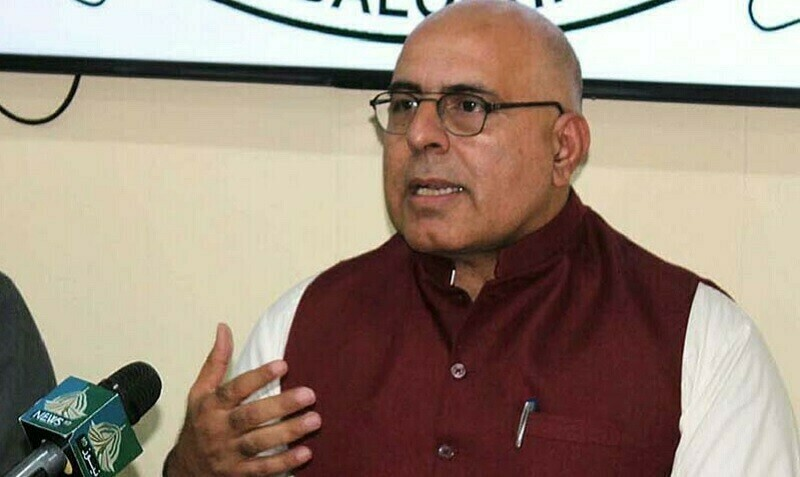
Following the latest round of talks between representatives of the Taliban government and Pakistan in Doha, bilateral security tensions have once again resurfaced. Islamabad has officially held the Taliban accountable for the operations of terrorist groups within Afghan territory, warning that Kabul’s continued inaction poses a direct threat to Pakistan’s national security.
Jan Achakzai, Minister of Information for Pakistan’s Balochistan province, wrote on social media: “The Taliban must now clarify whether they are sheltering terrorist groups or simply lack control over their borders and territory. In either case, the security threat rests squarely on Kabul’s shoulders.”
A major focus of the meeting was the activities of the Tehrik-e-Taliban Pakistan (TTP) — a group repeatedly blamed by Islamabad for deadly attacks on Pakistani soil, with officials claiming that its members operate from Afghanistan under Taliban protection.
Earlier, Pakistan’s Defense Minister Khawaja Asif alleged that the Taliban government had demanded 10 billion rupees in exchange for relocating TTP members — a claim that drew a sharp response from the Taliban.
Zabihullah Mujahid, spokesperson for the Taliban government, rejected the allegations, saying: “No group is allowed to use Afghan territory to act against other countries. We remain committed to ensuring regional security.”
Beyond security concerns, the Qatari Foreign Ministry’s post-meeting statement also sparked controversy.
The initial version of the communiqué used the term “border” to refer to the Durand Line between Afghanistan and Pakistan — a term that triggered strong backlash from Afghan analysts and citizens, as Afghanistan regards the Durand Line as a “fictional line,” not a recognized international border.
Following widespread objections, the word “border” was removed from the final statement — a move seen by some observers as a diplomatic concession to the Taliban. However, Pakistan continues to insist on formal recognition of the Durand Line as an official border.
In response, Zabihullah Mujahid clarified that Qatar’s statement did not represent the Taliban’s official position, describing it as merely reflecting the host nation’s perspective.
Meanwhile, Mullah Mohammad Yaqoob Mujahid, Acting Defense Minister and head of the Taliban delegation, emphasized that no reference to the Durand Line was made in the Doha agreement, calling the issue a national and historical matter that must be resolved by the people of Afghanistan.