Taliban’s Return Spurs TTP Resurgence in Pakistan
DID Press: Taliban’s return to power in Kabul has backfired on Islamabad, providing fertile ground for the Tehrik-i-Taliban Pakistan (TTP) to strengthen, contrary to Pakistan’s expectations. Once nurtured as a tool for influence in Afghanistan, TTP now poses one of the gravest security threats to Pakistan itself.
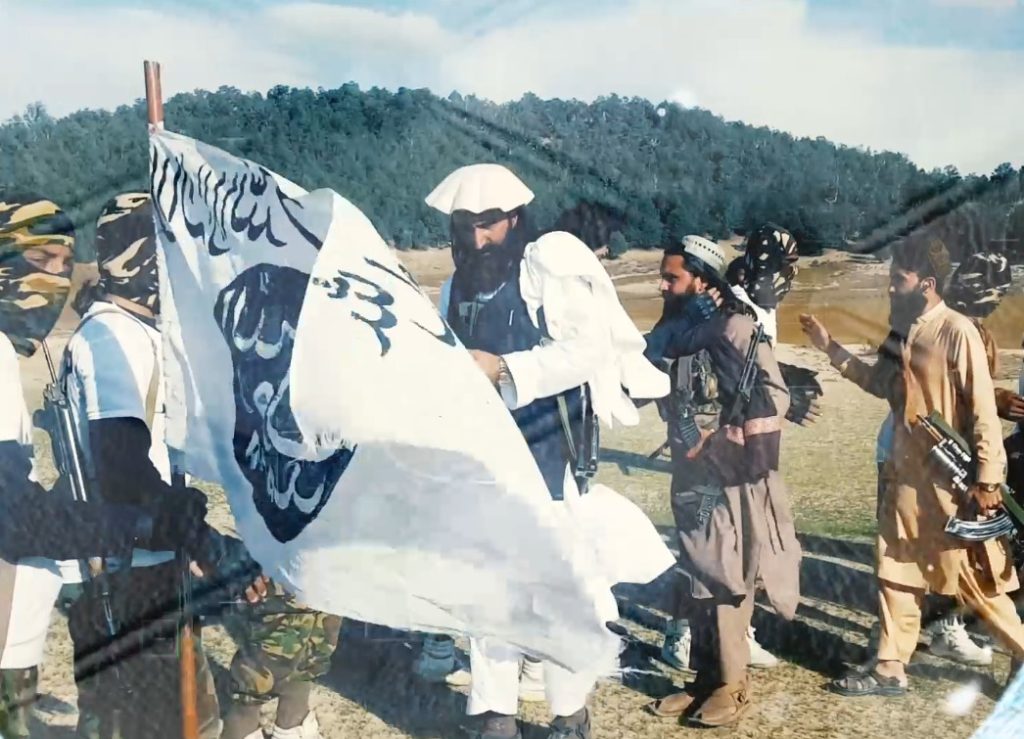
According to Dawn News, Pakistan’s decades-long strategy of supporting militant groups to secure strategic depth in Afghanistan has produced unintended consequences. The very groups Islamabad fostered as instruments of regional influence have become a deadly boomerang, endangering citizens and security forces along the border.
The ideological ties between Afghan Taliban and TTP, rooted in Islamabad’s historical support, have made full control over the militants impossible. Taliban Afghanistan, a product of Pakistan’s own policies, is now in a position where it cannot—or may choose not to—take serious action against TTP. This underscores the inherent limitations of using jihadist groups as tools of foreign policy.
Recent TTP attacks and deadly bombings highlight the failure of Pakistan’s “strategic depth” approach. Diplomatic efforts in Doha and Istanbul aimed at curbing TTP activity have so far yielded little result. The insurgent group, seeing itself as heir to the same ideology, resists external control, making negotiations complex and fraught with risk.
The Taliban’s return to Kabul has not only failed to deliver the anticipated influence for Islamabad but has actively facilitated TTP’s resurgence. The group now plays a role similar to the Taliban of the 1990s, but this time against Pakistan itself—a stark reminder that policies aimed at destabilizing neighbors can ultimately rebound on the architects themselves.
Pakistan is reportedly reviewing its national security strategies, but the key question remains: can a group cultivated over decades be effectively restrained through security reforms? The experience of TTP shows that leveraging extremist groups as instruments of policy carries long-term consequences, with today’s threat serving as a bitter reminder of the risks inherent in such strategies.
By Rahmatullah Enayati – DID News Agency