Taliban Approve Trans-Afghan Railway to Boost Regional Trade
DID Press: Taliban cabinet, chaired by PM Mohammad Hassan Akhund, has approved the construction of the Trans-Afghan Railway using a 1,520mm track gauge, a decision that aligns with regional economic and geopolitical objectives while posing significant financial and security challenges.
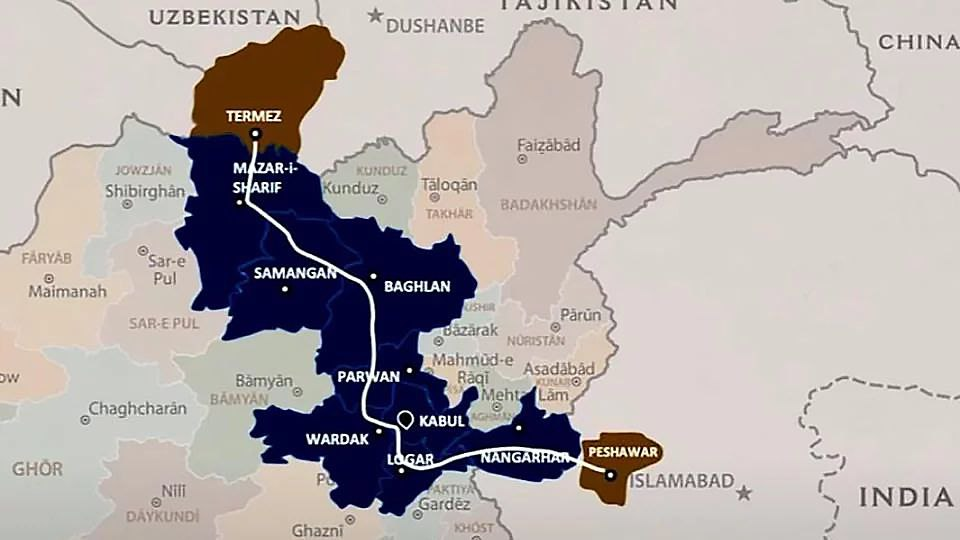
During the cabinet’s eighth session, a delegation presented its report on the proposed route from Hairatan in the north to Spin Boldak in the south. The 1,520mm gauge was selected as the primary option to ensure compatibility with Uzbekistan and other Central Asian railway systems. A 1,435mm gauge was also included as a complementary option to facilitate potential connectivity with Pakistan’s railway network.
The decision follows a trilateral agreement signed in July 2025 between the Taliban, Pakistan, and Uzbekistan in Kabul, aimed at accelerating feasibility studies and project implementation. The railway will begin in Mazar-i-Sharif, pass through Kabul and Nangarhar, and eventually connect to Peshawar in Pakistan.
Spanning over 700 kilometers, the Trans-Afghan Railway is considered a vital land bridge between Central Asia and the Arabian Sea, with estimated construction costs ranging from $5 billion to $7 billion. The project is expected to significantly reduce transportation time and costs, while facilitating the integration of landlocked countries into global markets.
From a geopolitical perspective, the railway could strengthen diplomatic ties and regional cooperation in trade and logistics. However, its implementation faces major challenges, including ensuring security, securing sustainable financing, and adhering to modern infrastructure standards.
Following recent clashes between Taliban authorities and Pakistani border forces, concerns have emerged that security tensions and political instability could delay the project and affect international investor confidence. Experts stress that the success of the railway depends not only on technical decisions but also on political will, security stability, and sustained regional cooperation.
If these obstacles are effectively managed, Afghanistan could transform from a landlocked country into a key hub within the continental transit network.