DID Press: Following worsening air pollution in South Asia, Lahore and Delhi cities have once again become the most polluted places on Earth. Lahore’s air quality index (AQI) has surpassed 560, putting it in the “extremely hazardous” category, while Delhi’s index has reached around 247, classified as “very unhealthy.”
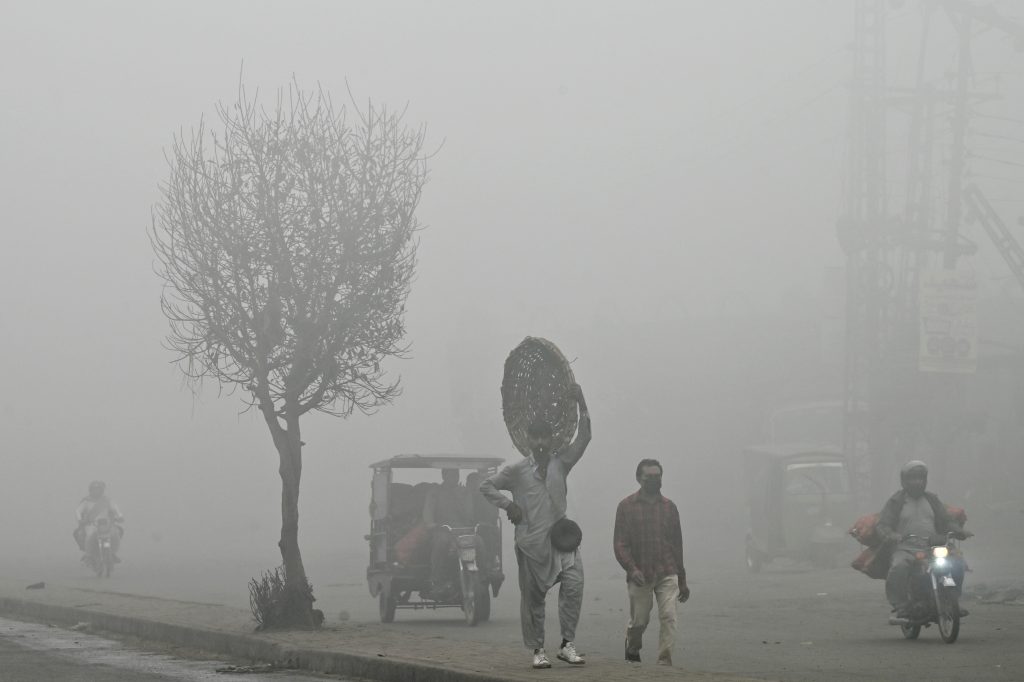
The increase in pollutant levels in recent days has turned breathing in Lahore and Delhi into a serious challenge. Data from monitoring centers show that in Lahore, the concentration of suspended particles is several times higher than the limits set by the World Health Organization, posing a severe threat to the health of millions.
In East Asia, Beijing has also recorded an AQI near 215, placing it in the “very unhealthy” range — indicating that the air pollution crisis is not confined to one region but has become a widespread phenomenon across Asia.
Experts say fine particulate matter (PM2.5) is the main cause of severe pollution in these regions — tiny particles that easily enter the lungs and bloodstream, significantly increasing the risk of heart and respiratory diseases.
In response to the worsening conditions, Pakistani and Indian governments have launched emergency measures, including restrictions on smoke-emitting vehicles, action against the burning of crop residues, and installation of pollution control equipment. However, environmental analysts emphasize that such short-term actions are not sufficient to tackle the deep-rooted pollution crisis. Long-term improvement in air quality requires strict regional policies and major investments in clean energy.
Currently, air pollution has not only blurred the horizons of Lahore and Delhi but has also left millions of people gasping for breath.