Afghanistan Faces 2.3M-Ton Wheat Shortage
DID Press: Afghanistan is facing over two million tons of wheat shortage. According to the latest report from the National Statistics and Information Authority of the Taliban government, the country’s wheat production in the 1404 (solar year) agricultural year has reached only 4.54 million tons, which does not meet the nation’s food needs; meanwhile drought, reduced rainfall, and crop pests continue to threaten food security.
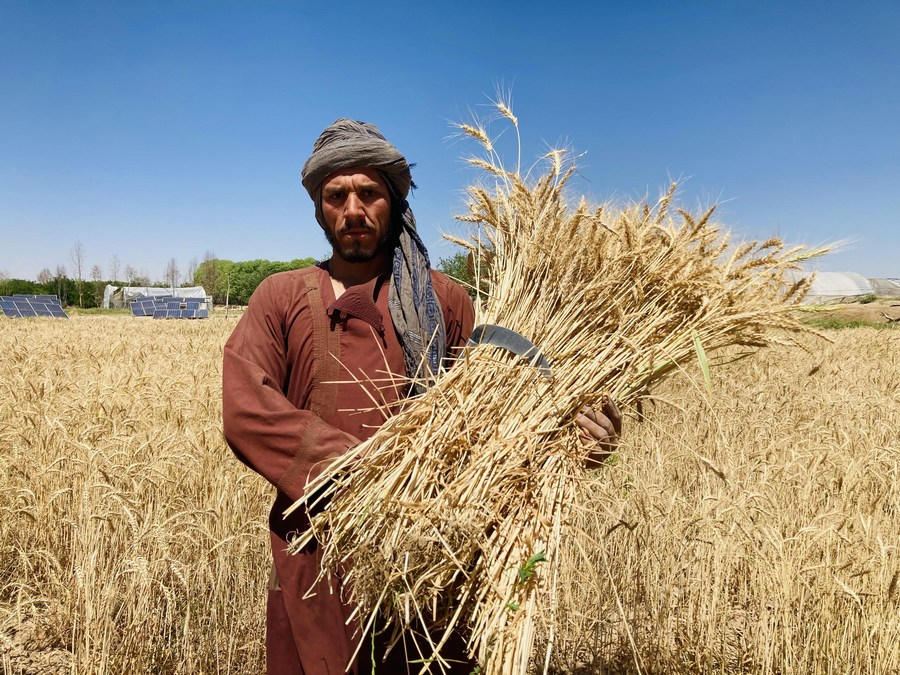
According to the report released on Wednesday, November 5, out of the total production, 4.13 million tons came from irrigated wheat and 404,000 tons from rain-fed wheat.
The highest irrigated wheat production was recorded in Helmand (848,000 tons), Kunduz (478,000 tons), Herat (410,000 tons), Kandahar (366,000 tons), and Farah (237,000 tons).
For rain-fed farming, Badghis, Takhar, and Herat provinces had the highest yields.
The statistics authority of the caretaker government added that the total wheat-cultivated land this year reached 1.89 million hectares. Compared to last year, irrigated farmland decreased by 4% and rain-fed farmland by 24%.
The main reasons for this decline are drought, delays in seasonal rainfall, and the spread of crop pests.
Given Afghanistan’s population, the country’s annual wheat need is estimated at around 6.87 million tons. Therefore, there is a domestic shortfall of more than 2.3 million tons.
The National Statistics Authority emphasized that the data in this report was collected through satellite imagery analysis and the Geographic Information System (GIS) from planting to harvest, and will serve as a basis for future agricultural decision-making.