Sayed Mostafa Kazemi: Pioneer of Unity, Culture, and Economic Development
DID Press: Sayed Mostafa Kazemi is remembered as one of Afghanistan’s most prominent political and economic figures during the two decades of the republic era. From the battlefield to parliament, from ministerial office to political frontlines, he played an active and decisive role in shaping the country’s modern institutions. This analysis examines his contributions across three dimensions — political, cultural, and economic — highlighting how his ideas and actions influenced national dialogue, institutional development, and economic planning.
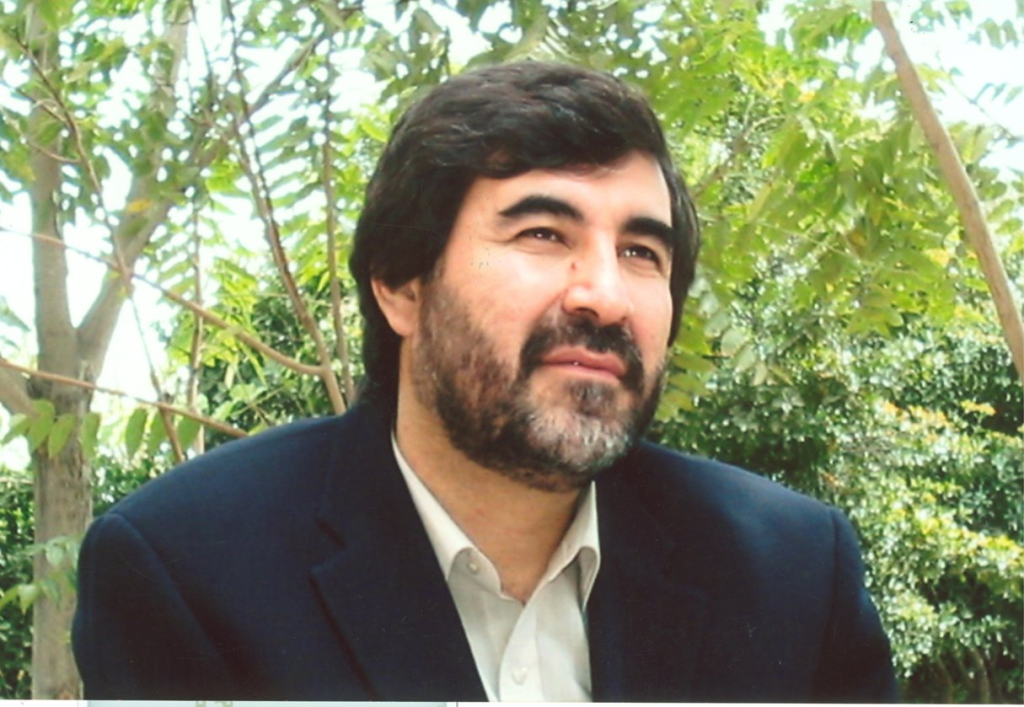
- Life and Historical Background
Sayed Mostafa Kazemi was born in 1959 (Solar Year 1338) in Sorkh-Parsa District of Parwan province. His youth coincided with the Afghan resistance against the Soviet occupation. Kazemi joined the mujahideen and gradually transitioned from military action to political leadership.
Following the fall of the Taliban, he participated in the Bonn Conference and served as Minister of Commerce in the interim government. Later, as a member of parliament and chair of the Economic Committee, he played a central role in shaping development policies.
Kazemi’s political career was cut short in 2007 by a suicide attack in Baghlan, yet his intellectual and managerial legacy continues to be studied and admired by analysts.
- Political Record
2.1 From Jihad to State-Building
Kazemi began his path in the resistance and later joined the Islamic Unity Party, collaborating with mujahideen leaders such as Ahmad Shah Massoud. He became a key figure in Afghanistan’s post-Taliban state-building process.
At the 2001 Bonn Conference, Kazemi was a senior member of the Afghan delegation, and he subsequently served as Minister of Commerce and Industry in the interim government, marking his formal entry into the structures of the fledgling republic.
2.2 Role in Parliament and the National Front
Elected to parliament from Kabul, Kazemi became chair of the National Economic Committee and also served as spokesperson for the National Front of Afghanistan — a group advocating reform and constructive critique of the Karzai government.
He was recognized as a moderate politician capable of building consensus across different factions.
2.3 Political Analysis
Kazemi’s political style stood out in a fragile and challenging environment due to several key features:
Balance between government and opposition: He participated in government while critically monitoring it, avoiding extreme confrontations.
Emphasis on national unity: He prioritized inclusivity beyond ethnic and religious identities, earning respect across groups.
Forward-looking policy-making: His approach was strategic, not merely reactive, linking politics with development goals.
- Cultural Contributions
3.1 Advocate for Coexistence and National Unity
Kazemi believed Afghanistan’s instability stemmed from a lack of coexistence among diverse ethnic and religious communities. As a parliamentarian, he repeatedly stressed the importance of national unity, social justice, and cultural rebuilding.
He sought to bridge traditional values with modern principles, promoting a national culture aligned with development.
3.2 Support for Education and Public Awareness
Kazemi considered education the backbone of society and argued that economic development was impossible without cultural transformation. He supported initiatives to strengthen vocational training, literacy, and youth empowerment.
Although institutional limitations of the time restricted implementation, his ideas laid the groundwork for subsequent cultural programs.
3.3 Cultural Assessment
Kazemi’s impact is most visible at the level of discourse and mindset. He represented a generation of politicians aiming to replace a culture of war and hatred with dialogue, tolerance, and adherence to law.
- Economic Contributions
4.1 Reforming Trade and Investment Structures
As Minister of Commerce, Kazemi was among the first officials to move Afghanistan’s trade beyond foreign aid dependency toward attracting investment and promoting exports.
He established the Afghanistan Investment Support Agency (AISA) and promoted access to strategic trade routes such as the Chabahar port, aiming to improve Afghanistan’s landlocked commercial infrastructure.
4.2 Chair of Parliamentary Economic Committee
In parliament, Kazemi led the National Economic Committee, analyzing structural weaknesses and advocating balance between policy and economy. He proposed reforms in taxation, private sector development, and reducing import dependency. He often warned that “aid-driven economics cripples the country,” emphasizing domestic production and economic independence.
4.3 Development-Oriented Vision and Constraints
His economic approach focused on:
Sustainable development centered on domestic capital.
Attracting foreign investment aligned with national interests.
Reforming government trade and administrative structures.
Implementation faced challenges including insecurity, corruption, and weak legal frameworks, limiting the full realization of his economic programs.
4.4 Economic Legacy
Despite a short tenure, Kazemi left a lasting impact by promoting a modern economic mindset. He sought to make economic development a national priority, independent of politics. His vision of a “dynamic national economy” continues to influence Afghanistan’s policy debates today.
- Challenges and Criticism
While widely admired, Kazemi’s efforts were constrained by the context of his time:
Institutional weaknesses: Post-2001 government structures lacked efficiency.
Insecurity: Ongoing threats hindered investment and economic reform.
Limited time: His assassination cut short many initiatives.
Multiple responsibilities: Holding simultaneous political and economic roles sometimes limited managerial focus.
- Intellectual Legacy and Historical Standing
Kazemi is regarded as a pioneer of development-oriented politics in Afghanistan. He sought to link social justice, national unity, and economic growth as pillars of stability.
In contemporary Afghan history, his name is associated with economic reform, national consensus, and rational politics. Scholars and political figures view him as representing a generation aiming to move Afghanistan from mere survival through war toward sustainable growth and cohesion.
- Conclusion
Sayed Mostafa Kazemi’s career reflects a life dedicated to politics, culture, and economic reform. His lessons for future generations include:
National unity is essential for development.
Political dialogue should replace violence.
A national economy flourishes only when independent from external dependency.
Although his life was cut short, his ideas and leadership continue to inspire policymakers, academics, and civil society activists committed to a prosperous and rational future for Afghanistan.
Rahel Mousavi – DID Press Agency