Balochistan Minister Welcomes Possible Halt of Afghanistan–Pakistan Trade
DID Press: Balochistan’s Information Minister Jan Achakzai said Pakistan could benefit if the Taliban government in Afghanistan halts transit trade with Islamabad, arguing the move would help curb smuggling, ease the dollar shortage, and prevent the inflow of terrorism.
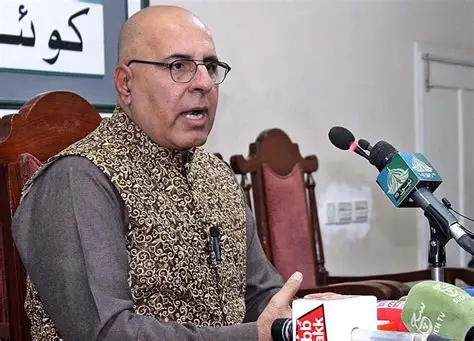
In a post on X, Achakzai claimed that “if Afghanistan’s transit trade is truly stopped, smuggling into Pakistan will cease, the hawala system will no longer deplete dollar reserves, and terrorism will not cross through the western border.”
He urged Pakistan to keep its transit borders with Afghanistan closed, adding that Islamabad “no longer needs Afghanistan for access to Central Asia, as alternative routes through China and Kyrgyzstan to Uzbekistan and the north are now operational.”
Achakzai went on to describe Afghanistan not as the “heart of Asia,” but as an “international transit route for terrorism.”
His comments came after Taliban Deputy Prime Minister for Economic Affairs Mullah Abdul Ghani Baradar urged Afghan traders to reduce imports from Pakistan and use alternative routes for transit trade, following Islamabad’s closure of several border crossings.
Acting Taliban Commerce Minister Nooruddin Azizi also warned in a meeting with business leaders that “without absolute guarantees for reopening trade routes, Afghanistan will engage in no trade,” insisting that the country has “hundreds of alternative routes.”
Meanwhile, the Afghanistan–Pakistan Joint Chamber of Commerce reported that the closure of border crossings has caused more than $100 million in losses to traders from both sides.
The prolonged disruptions have weakened economic ties between the two neighbours and affected industries in Pakistan’s Khyber Pakhtunkhwa, Punjab, and Sindh provinces.
Mujeebullah Shinwari, head of the Torkham Customs Clearing Agents Association, criticized Islamabad’s policy and called for separating trade from political and security issues. He noted that bilateral trade has dropped from about $2.5 billion between 2012 and 2016 to less than $900 million today.
Afghanistan currently imports cement, clothing, food items, fruits, vegetables, poultry, fish, livestock feed, and confectionery from Pakistan.
Analysts say the Taliban’s latest move signals an attempt to reduce Afghanistan’s economic dependence on Pakistan amid rising border and trade tensions.